The Art of the Retest: Refining My Trendline Strategies

I don’t think consistency in trading comes from finding a “perfect” indicator, setup, signal, size or exit; I think it comes from the relentless review of our performance every day.

If Tiger Woods at #1 was still working on ‘fixing’ his swing… for sure I can keep reviewing the fundamentals in my trading routine!

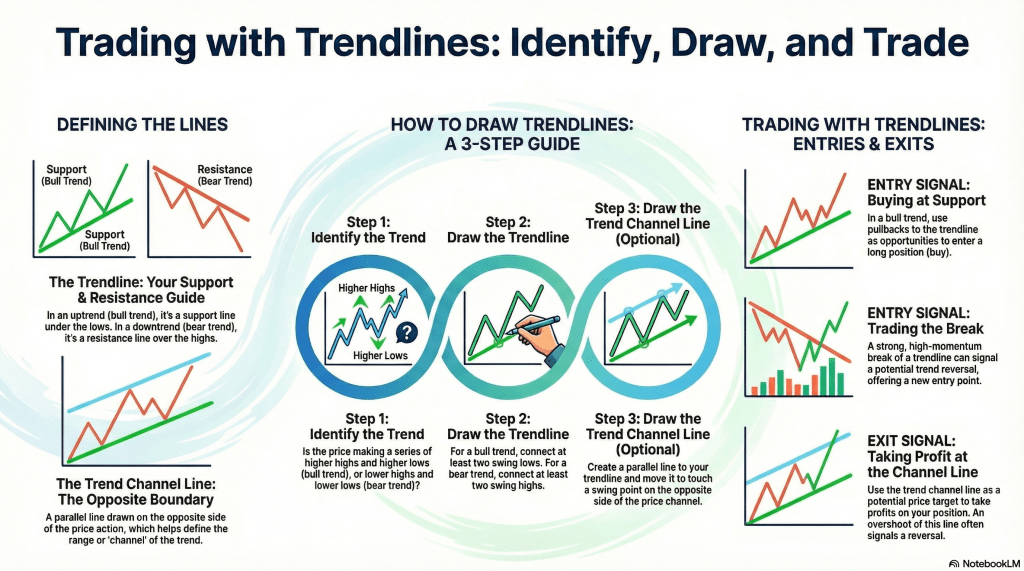
Lately, I’ve been revisiting my foundational work on trendlines—re-watching my videos and dissecting past blog posts—to see where the theory meets the reality of the charts.

I’m breaking down my latest insights on trendline breaks, the psychology of trapped traders at new highs, and how to use “failed” tests as high-probability entries.

My intention is that you will be inspired to review your own fundamentals in your trading strategy and see if you can find micro-gaps to improve 🙂


Recommended process and links:

  • Goto NotebookLM https://notebooklm.google.com/
  • Add sources
    • I used my own blog posts and my own youtube videos
    • Links below
  • It can create infographics, slides and DOPE flashcards as well instantly.
  • I reviewed what it made and I took notes on things I learned when reviewing my own trades
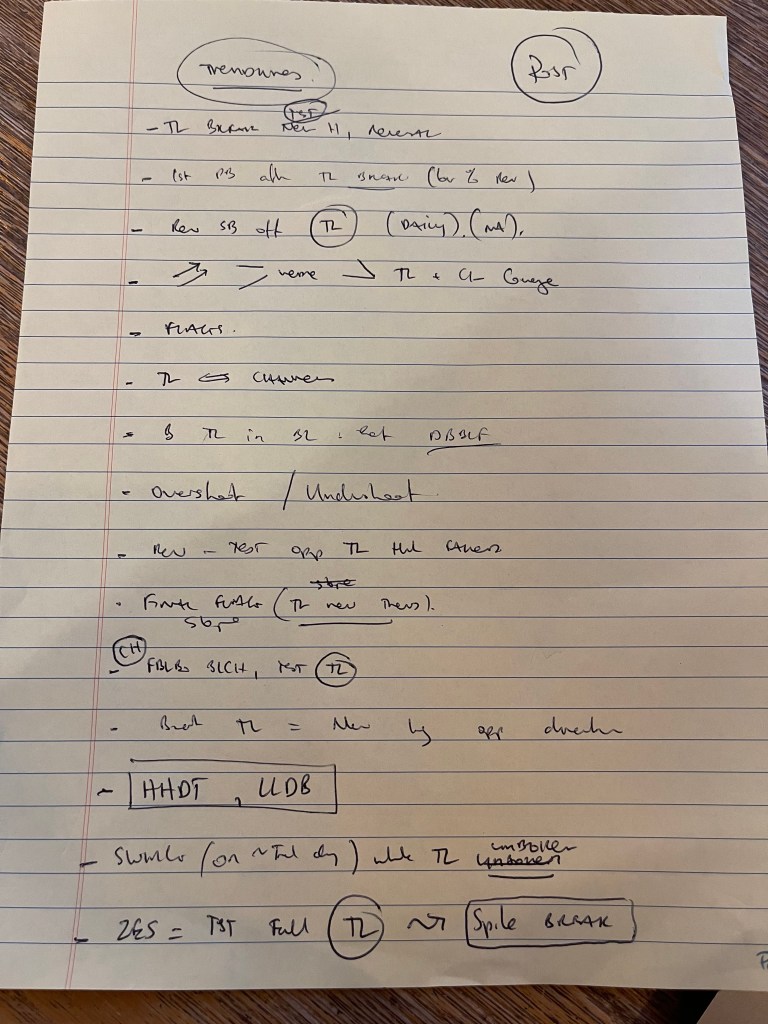

The Psychology of the Trendline Break

A trendline represents an invisible “pain threshold” for traders.

When a trendline breaks and the market attempts to push to a new extreme (a new high or low), it is a major test of conviction.

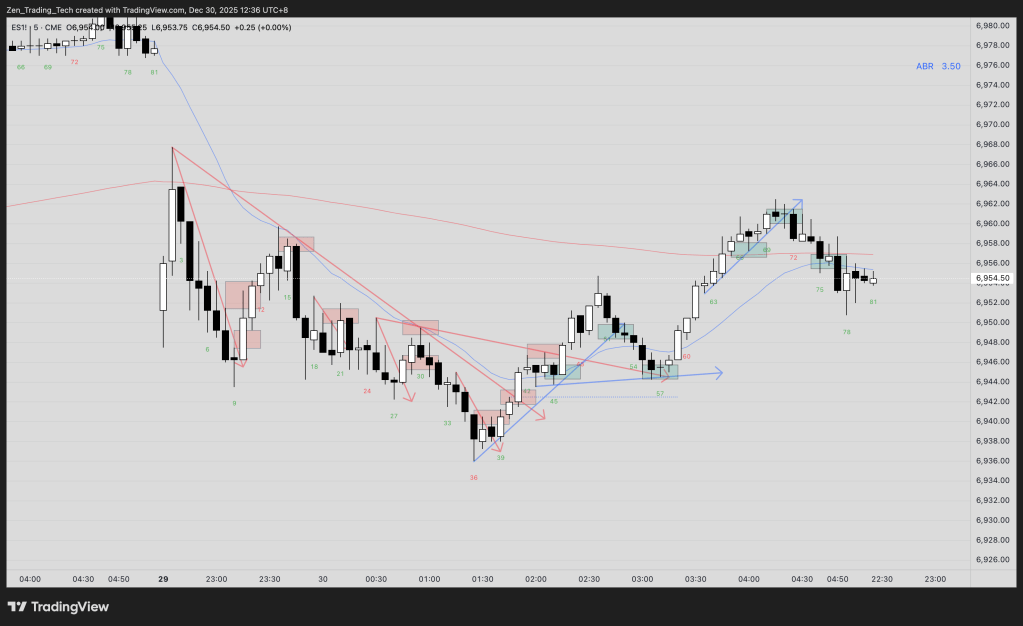
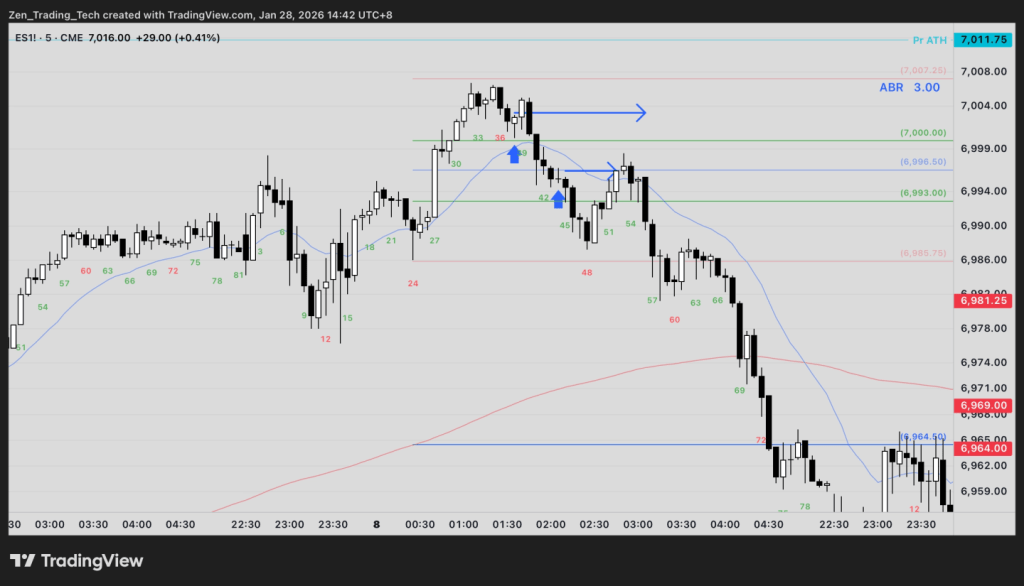
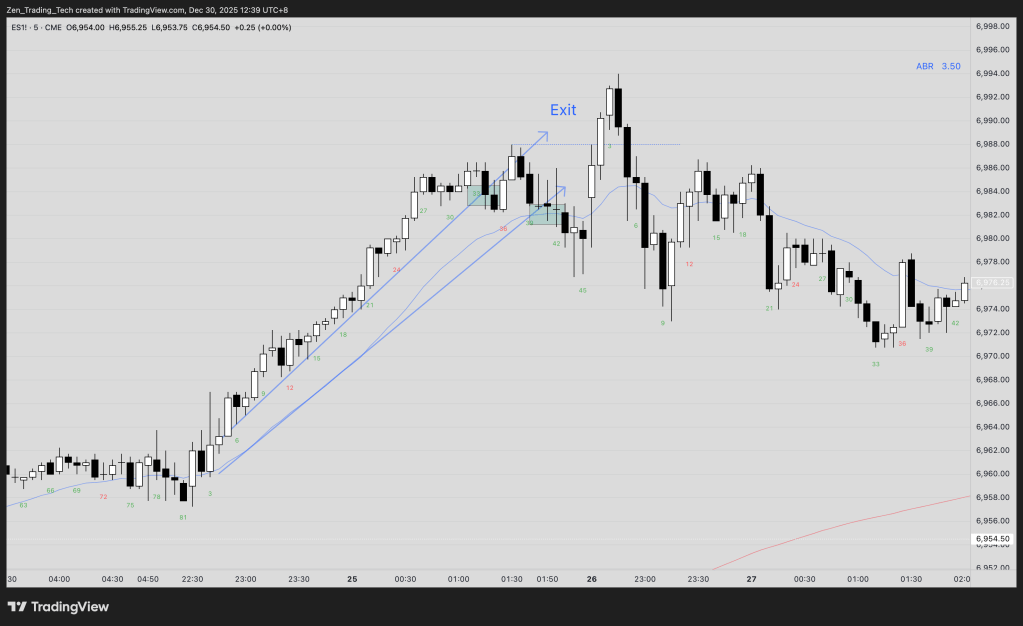
  • Trapped Traders: Traders who bought a trendline only to see price go against them significantly are under stress. When the market returns to a new high, they aren’t looking to buy more—they are looking to exit.
https://www.tradingview.com/x/dKHTG6la/
https://www.tradingview.com/x/O4zOL5Pu/
  • The Swing Signal: For swing traders, this behavior is a signal that the trend is starting to weaken. Conviction changes at the next high.
https://www.tradingview.com/x/dKHTG6la/
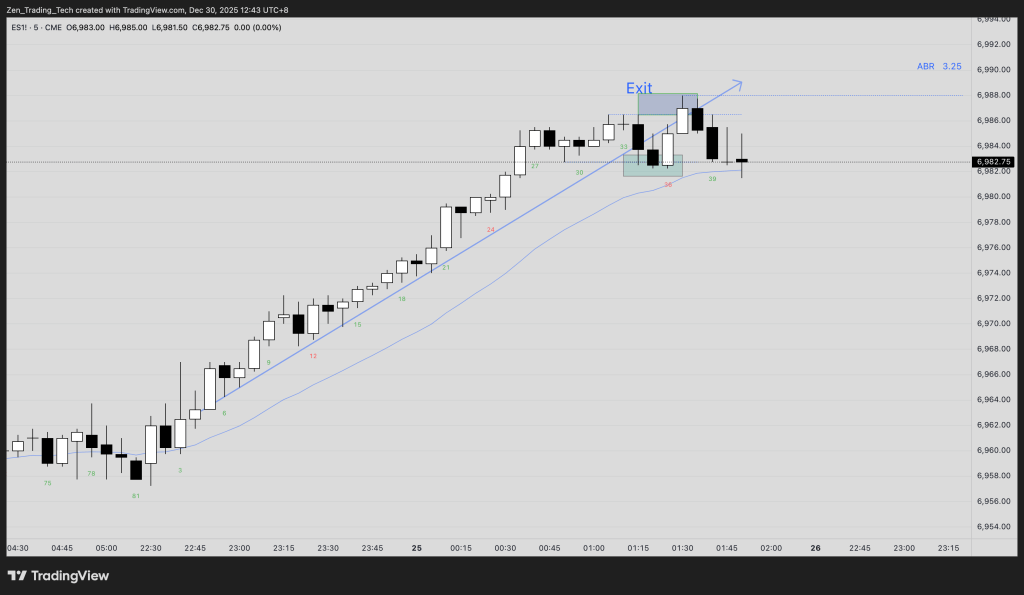
  • The Scalp Entry: You can use a trendline break as a way to get in for a scalp. Conviction that we will at least test the old extreme.
  • Staying in: More importantly, it serves as a filter: until I get a clear trendline break, there is no technical reason to close a winning swing trade.
https://www.tradingview.com/x/5BnBLG6J/
https://www.tradingview.com/x/9OhMnGom/

Reversal Entries and the First Pullback

The most reliable reversals happen after the market “proves” its change in direction through a decisive break.

  • The First Pullback: A strong break of a trendline followed by the first pullback is often an excellent reversal entry. This can lead to a small second leg (moving sideways to up) or act as the first entry after the market switches direction.
https://www.tradingview.com/x/QNsuGVNu/
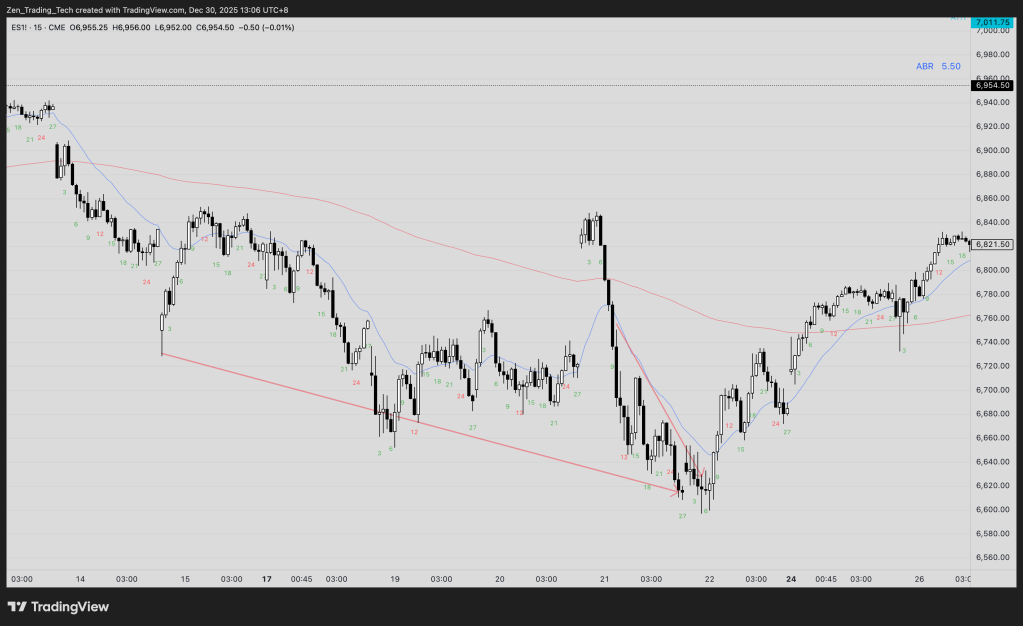
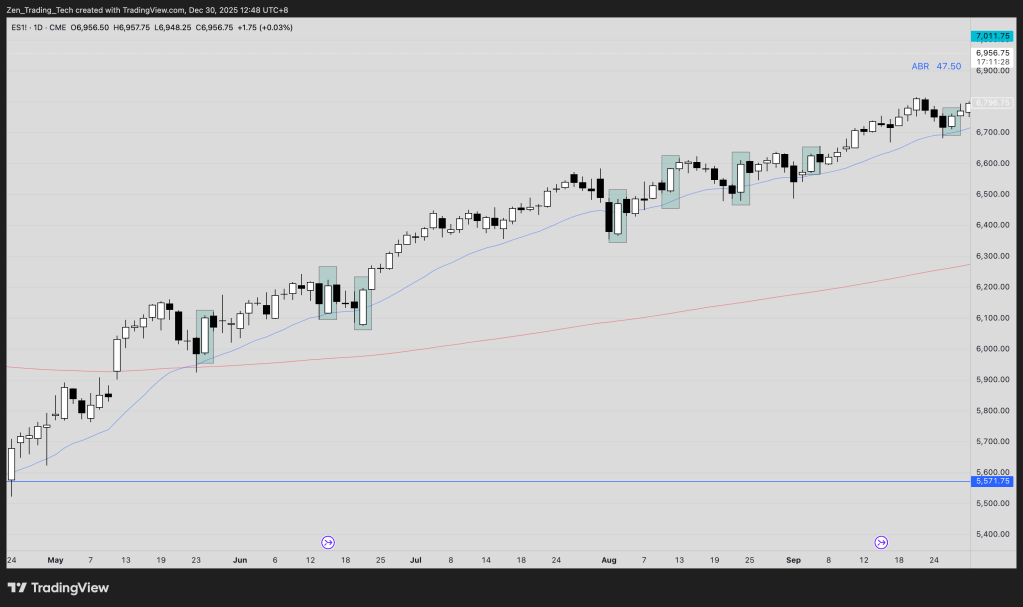
  • Signal Bars: When the market tests back to a trendline, you are looking for a clear reversal signal bar. You can find these high-probability setups on the daily chart or view them as an average pullback in a broader trend.
https://www.tradingview.com/x/RA4CBTbC/
  • Managing Size: If the signal bar is too large, traders should modify their entry. Don’t chase a giant bar; adjust your position size or entry method to account for the increased risk.
  • In the example above of the DAILY chart – the big bull outside bar – see how they bought 50% to control risk in the below image.
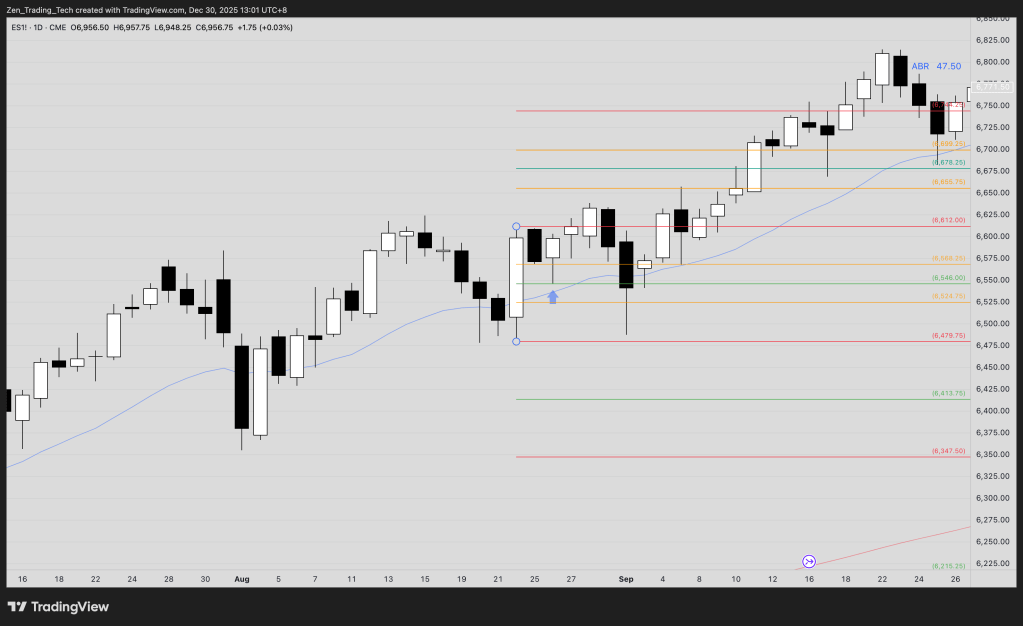
https://www.tradingview.com/x/CBNVJLkH/

Channels, Wedges, and Flag Angles

Understanding the relationship between trendlines and channel lines helps you categorize the market environment instantly.

  • Parallel vs. Converging: When the lines are parallel, we have a channel. When they converge, it is a wedge. Here are some more complex variations which resulted in wedge entries.
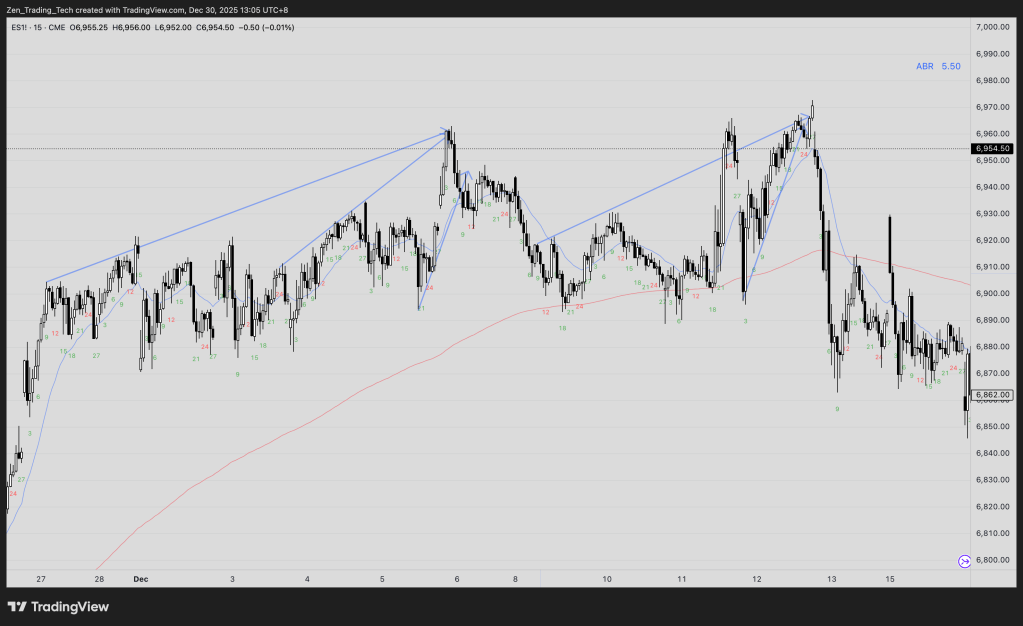
https://www.tradingview.com/x/gfXO3uxi/
https://www.tradingview.com/x/6luGeetI/
  • The Flag Angle: Pay close attention to the angle of the final flag. It often dictates the angle of the new trend that is about to begin. I had never noticed this before so will keep a look out for it.
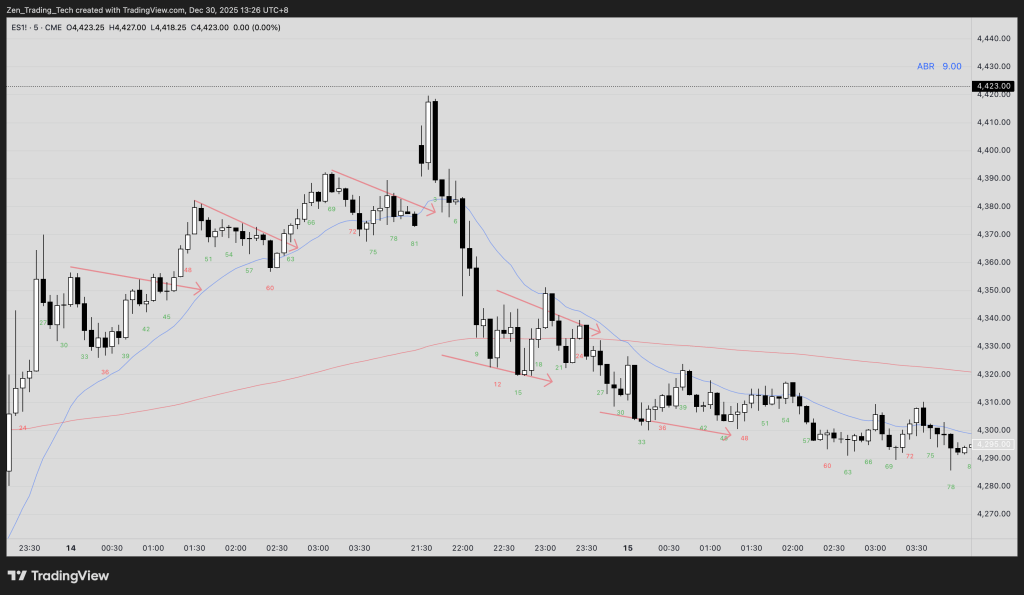
https://www.tradingview.com/x/lyRCbNf3/
  • Spike break test buy – buy the test back to the original spike break. One of my favourite scalping techniques.
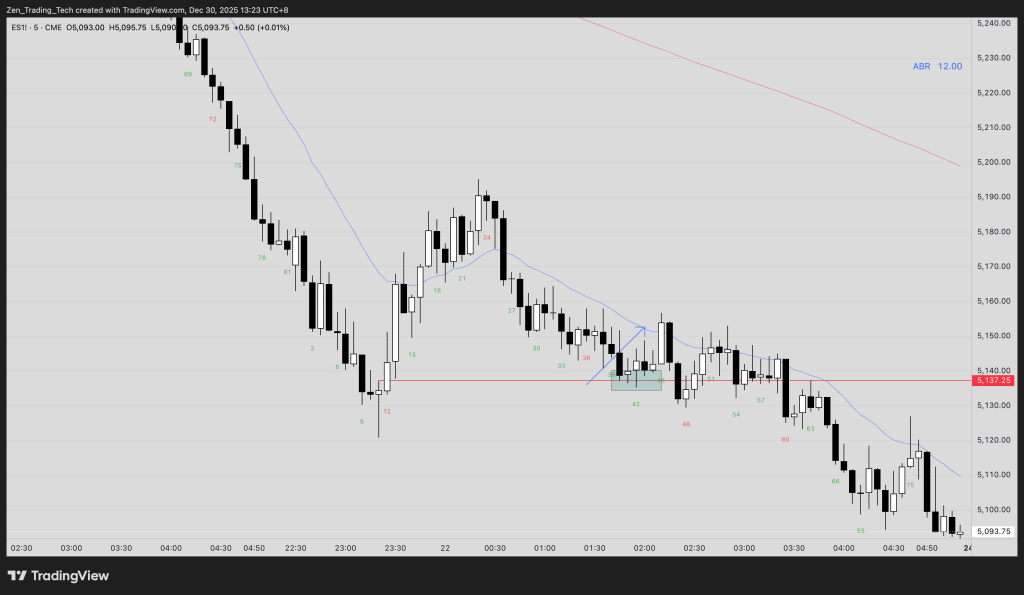
https://www.tradingview.com/x/LcckhrsC/
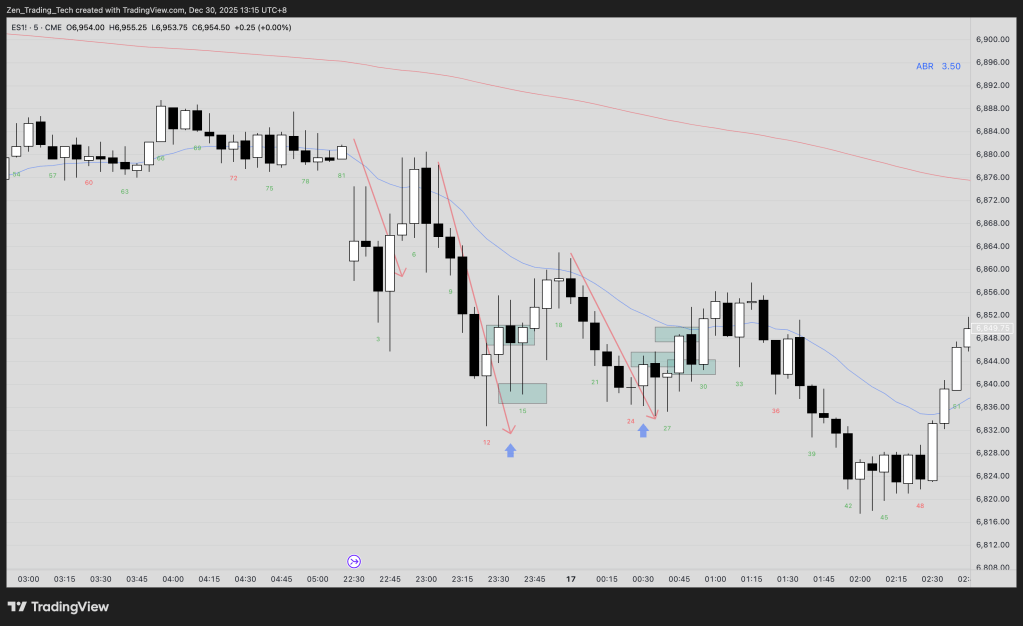
  • 2nd reversals and scaling in – a 2nd trend line break is a second entry. Here mostly sideways open so expect breakouts to be weak and reversals to work well.
    https://www.tradingview.com/x/28tgMuF6/
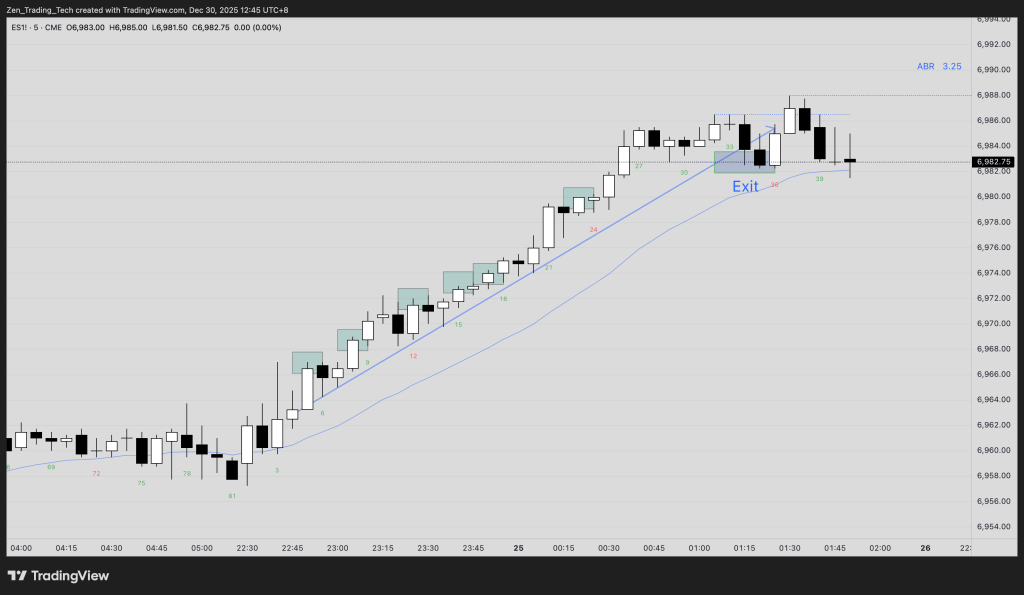
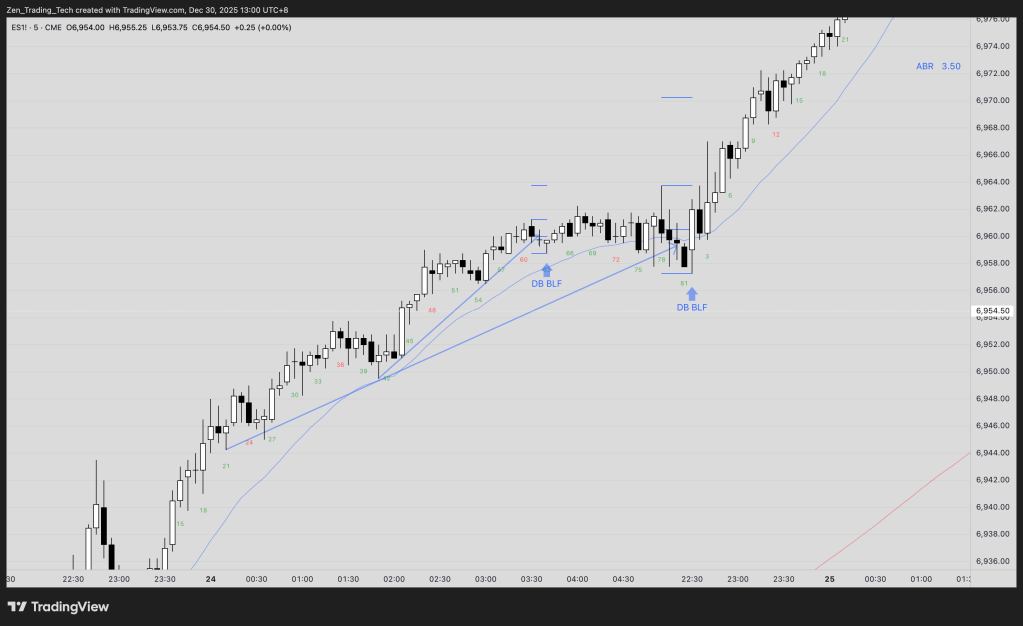
    • The Double Bottom Bet: When bulls buy a trendline in a bull trend, they are essentially betting on a double bottom bull flag. To hold that entry, you must trade it with the discipline of a double bottom setup. Here a small one and bigger one.
    https://www.tradingview.com/x/dXvLgve7/

    Navigating Overshoots and Failed Extremes

    The most difficult patterns to master are the higher-high double tops and the lower-low double bottoms, especially concerning tested extreme reversals.

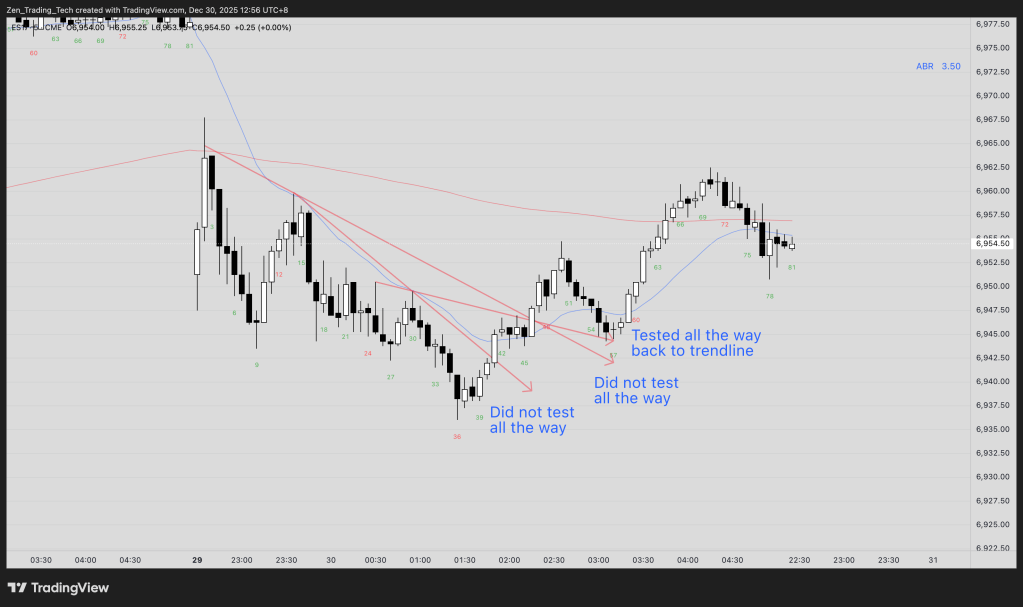
    • The Trendline Test: In a bull trend that breaks above the prior bear trend line, price often pulls back all the way to the original trendline before forming a higher low
    https://www.tradingview.com/x/8hBvZhou/
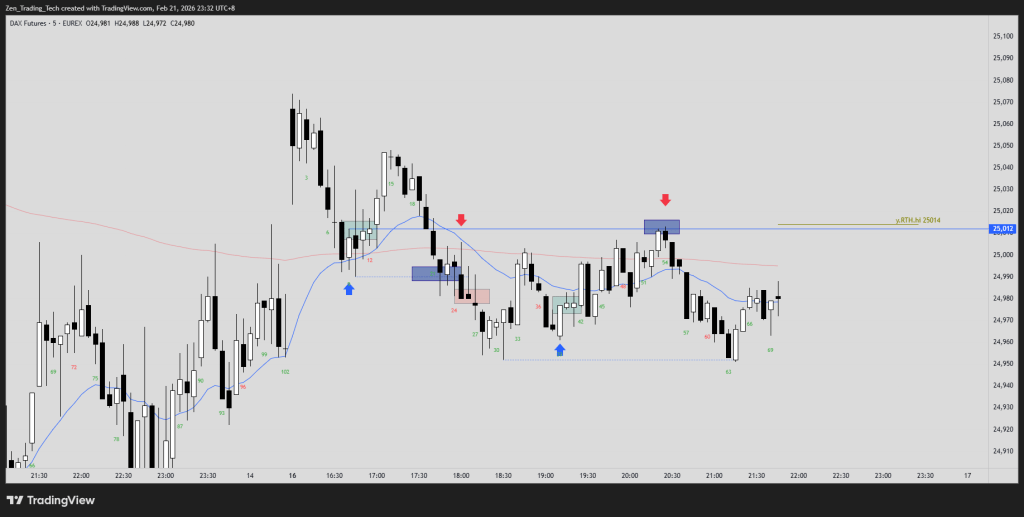
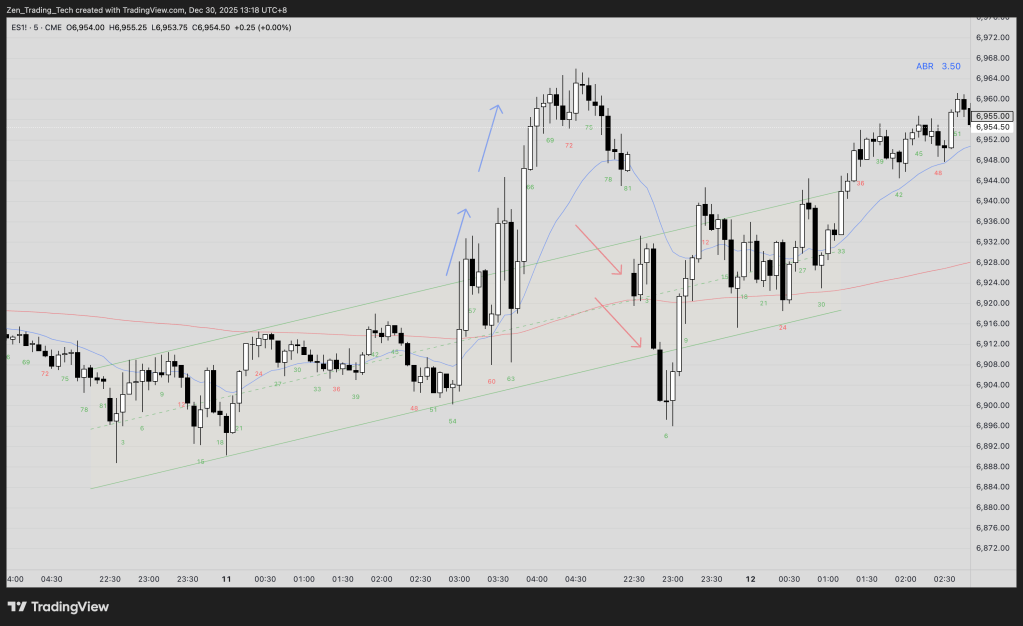
    • The Failed Breakout: In a bull channel, when a bull breakout fails, price often returns to test the trendline to see if any traders are still defending that level. Magnets at the channel line, midpoint and the trendline.
    https://www.tradingview.com/x/9kwRLu8F/
    • The Strategy: Before you attempt a reversal, wait for a trendline to break, then let the market test the opposite trendline that failed.
    https://www.tradingview.com/x/27RD8ZPX/

    At the end of the day, trendlines and channels are simply maps of the battle between bulls and bears.

    Whether you are looking for a scalp on a trendline test or holding a swing until a definitive break, the goal is to remain objective.

    By watching how the market reacts to these levels—especially during overshoots and second entries—we can move away from guessing and start trading what is actually happening.

    What is one trendline rule you’ve had to “unlearn” to become more profitable? Let me know in the comments.



    3 responses to “The Art of the Retest: Refining My Trendline Strategies”

    1. otterfading415c07e7e3 Avatar
      otterfading415c07e7e3

      Hi Tim,

      I’ve been following your trading journey and know that you studied Al Brooks before moving into full-time trading. I’m writing because I’m at a point where I feel I need to make a clear commitment and stop changing or questioning my approach.

      I’ve been studying trading seriously for about two years. Part of me is strongly attracted to pure price action. I like the idea of trading using only the information contained in price, and I’ve already started, about 6 months ago, studying Al Brooks’ material. Even though it requires a lot of work, I genuinely enjoy it.

      At the same time, another part of me struggles with not fully understanding why things happen in the market. I’m naturally curious about market mechanics such as order flow, options flow and macro context. This is reinforced by what I see around me: here in Italy there is a group of traders who trade successfully with these tools and show very strong statistics, with win rates often well above 70 percent and risk reward ratios frequently equal to or greater than 1:1.

      This creates an additional doubt in my mind. While Al Brooks is clearly respected and his work is intellectually solid, I personally haven’t yet seen concrete proof of profitability from people trading pure Brooks-style price action. That contrast makes it harder for me to fully commit with confidence.

      My real dilemma is that after two years I feel I must choose one path and stick to it, without constantly switching methodologies. I like both approaches, but I’m unsure whether pure price action can truly lead to consistent, professional-level profitability, and whether it can realistically match the execution quality and precision that order flow and options flow seem to provide.

      Given your experience transitioning from Brooks to full-time trading, I was hoping you might share your perspective:Do you believe price action alone is enough if mastered deeply, or does long-term consistency require understanding the underlying flows?Did you face similar doubts earlier in your journey?If you were starting again today, would you focus on mastering pure price action first, or integrate other forms of market understanding right away?

      I’m not looking for shortcuts. I’m just trying to make peace with my own thinking and commit fully to a path I can follow seriously for years.

      Thank you for your time and for sharing your experience.

      Best regards,Alessandro Campodonico

      Like

    2. otterfading415c07e7e3 Avatar
      otterfading415c07e7e3

      Hi Tim,

      I’ve been following your trading journey and know that you studied Al Brooks before moving into full-time trading. I’m writing because I’m at a point where I feel I need to make a clear commitment and stop changing or questioning my approach.

      I’ve been studying trading seriously for about two years. Part of me is strongly attracted to pure price action. I like the idea of trading using only the information contained in price, and I’ve already started studying Al Brooks’ material. Even though it requires a lot of work, I genuinely enjoy it.

      At the same time, another part of me struggles with not fully understanding why things happen in the market. I’m naturally curious about market mechanics such as order flow, options flow and macro context. This is reinforced by what I see around me: here in Italy there is a group of traders who trade successfully with these tools and show very strong statistics, with win rates often well above 70 percent and risk reward ratios frequently equal to or greater than 1:1.

      This creates an additional doubt in my mind. While Al Brooks is clearly respected and his work is intellectually solid, I personally haven’t yet seen concrete proof of profitability from people trading pure Brooks-style price action. That contrast makes it harder for me to fully commit with confidence.

      My real dilemma is that after two years I feel I must choose one path and stick to it, without constantly switching methodologies. I like both approaches, but I’m unsure whether pure price action can truly lead to consistent, professional-level profitability, and whether it can realistically match the execution quality and precision that order flow and options flow seem to provide.

      Given your experience transitioning from Brooks to full-time trading, I was hoping you might share your perspective:
      Do you believe price action alone is enough if mastered deeply, or does long-term consistency require understanding the underlying flows?
      Did you face similar doubts earlier in your journey?
      If you were starting again today, would you focus on mastering pure price action first, or integrate other forms of market understanding right away?

      I’m not looking for shortcuts. I’m just trying to make peace with my own thinking and commit fully to a path I can follow seriously for years.

      Thank you for your time and for sharing your experience.

      Best regards,
      Alessandro

      Like

      1. Tim Fairweather Avatar

        Hi Alessandro,

        I appreciate you reaching out. I’ve dealt with endless contradictions in my own journey—they don’t necessarily disappear, but they do get quieter as you develop. Here is my perspective on your current crossroads:

        1. On Time and “The Jump” Six months of Brooks is very little time. I spent five years jumping between courses before I realized you have to pick one path and go deep. There is no such thing as “wasted time” in learning, but modern efficiency is a myth in trading—you have to explore until you find what fits your personality.

        2. Demystifying the “70% Win Rate” The group of traders you see using order flow with 70% win rates and 1:1 RR are simply scalping. Whether it’s Price Action or Order Flow, the “Trader’s Equation” remains the same:

        Scalping: High win rate, small rewards.

        Swing Trading: Lower win rate, larger rewards. Neither is “better,” they are just different ways to solve the same math.

        3. The Myth of Proof Don’t look for bank statements or someone else’s “proof.” You can never successfully trade someone else’s ideas. You have to take a methodology, form your own idea, and test it until the results provide your own proof.

        4. The System is the Solution Your real issue isn’t the methodology; it’s the commitment. A system only works if you follow it. And sometimes that means months of work on something that sucks. I’ve built trading systems that work BUT I CANT TRADE… oh well. Roger that. Go to 2.0 and then 3.0 and keep improving until you find something that suits you.

        Track everything: Early on, I used a spreadsheet to prove I could simply stick to a system.

        Ignore the “Why”: You mentioned a curiosity for market mechanics. Personally, I don’t much care about the “why” or read much news anymore—I’ve seen that the “news” usually just happens right at the chart levels where the price was already going to turn. If I read news its for interest and should have no influence on what I trade – whenever I let it influence my trades, the trades sucks.

        My Advice: Stop trying to copy a perfect model. Define your specific approach—whether it’s pure Price Action or a hybrid—and collect enough samples to see if the idea is sound. Eventually, you’ll stop trying to fit into someone else’s skin and develop a style that is uniquely yours.

        Feel free to reach out with what you come up and I’ll share anything that I have that might help.

        Best, Tim

        Like

    Leave a reply to Tim Fairweather Cancel reply

    I’m Tim

    Welcome to Zen Trading Tech.

    I’m a Aussie day trader and I post trading tips, practice drills, and indicators that helped my trading get to a professional level.

    Everything here is to help train the eyes and hands to trade better. If it helped me I’ll post it for others. Hope you enjoy!