In my own trading journey I’ve come a long wya from thinking trading is about setups and indicators. I’m trying to synchronise myselfwhat the market is doing right now, and choosing the right response. A parallel discipline that trains that kind of thinking is chess.
One of the best frameworks I’ve found for improving as a trader comes from Grandmaster Jacob Aagaard, a top chess coach. He teaches that there are two distinct learning modes:
- Pattern Recognition — fast, instinctive, automatic
- Deep Calculation — slow, deliberate, strategic
Both are essential, but they train completely different mental muscles. Let me break down the difference and show how it applies to our trading.
How Chess Ranks Puzzles
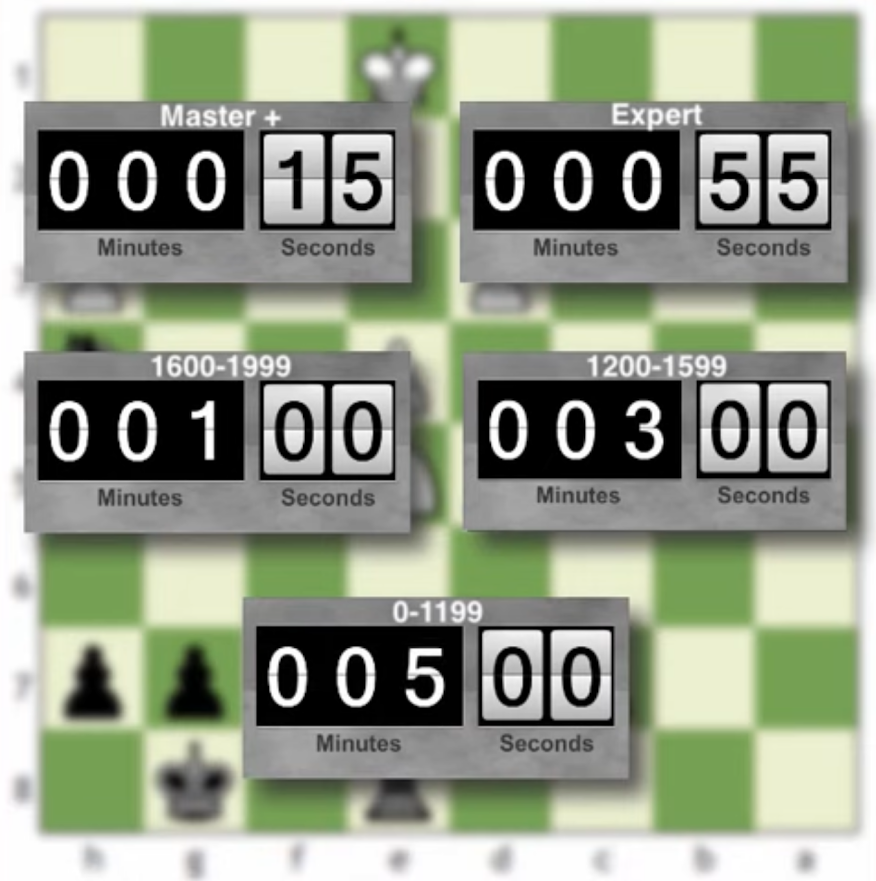
In chess, puzzles are often timed to measure how quickly players at different skill levels can solve them:
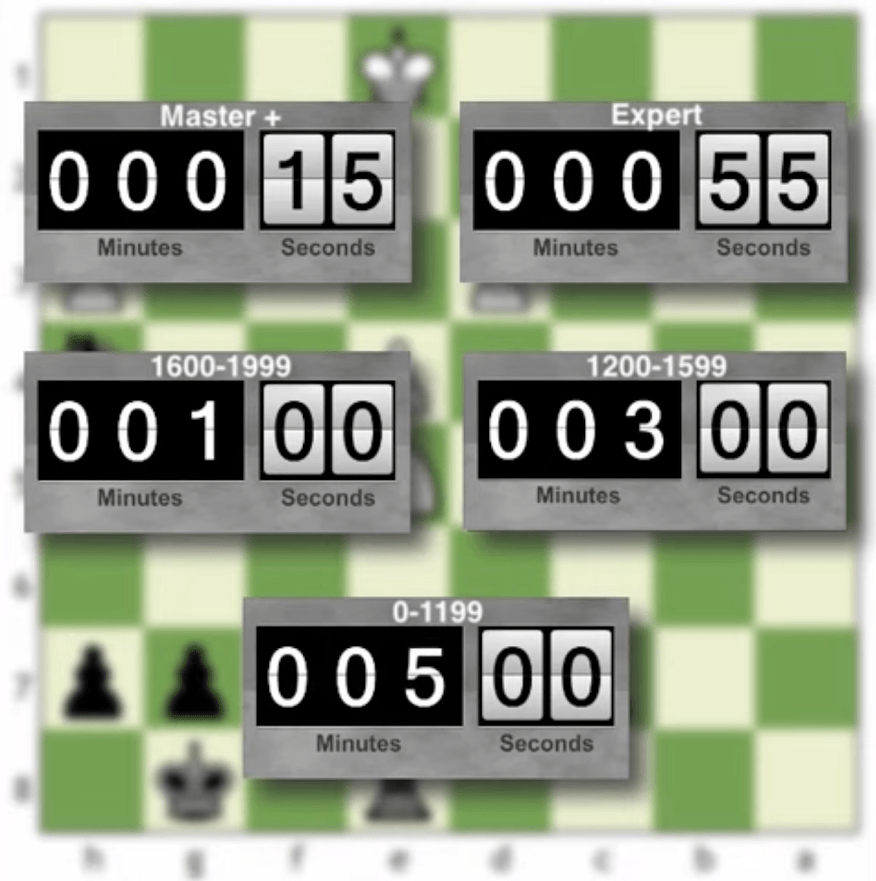
| Solve Time | Player Level |
|---|---|
| 3 seconds or less | Grandmaster |
| 15 seconds or less | Master |
| 30 seconds or less | Expert |
| 1 minute or less | Strong Club Player |
| 2–3 minutes | Casual Player |
| 5+ minutes | Beginner |
What separates them isn’t just knowledge, it’s how they think. The stronger the player, the faster they recognise patterns and the deeper they can calculate.
Although my chess game is quite weak, I’ve used this idea for many years trying to find difficult trading puzzles and train myself.
The same applies to price action traders.
Yes, in trading the board is constantly moving. Different time frames are closing and trades are succeeding and failing. But we can still train ourselves in a few ways:
- Sometimes speed — recognising a setup before the bar closes.
- Sometimes slowing down and calculating more — working through if-then scenarios before entering.
- Sometimes training longer — building endurance for those grinding trading range days.
Pattern Recognition in Trading
What it is: Instantly recognising familiar price action setups — H2s, L2s, wedges, failed breakouts, trap bars.
How it works: You’ve seen this setup hundreds of times, and your brain reacts before you consciously analyse it. The bar closes and you know what it is.
How to train it:
- Flashcards of common setups and their failures
- Rapid-fire chart drills on TradingView replay
- Journaling screenshots and marking what the signal bar was telling you
Goal: Develop fast, accurate reads of what the market is likely to do next — before deeper thinking begins. Reduce brain load here means trade longer with better concentration.
Deep Calculation in Trading
What it is: Step-by-step analysis of potential outcomes. You simulate what might happen in the next 3, 4, or 5 bars, and how you’d react to each one.
How it works: You work through if-then scenarios. If price tests the sell climax high and a bear bar closes on its low, I’m short on the close with a stop above the high. If instead it breaks above with a strong bull trend bar, I’m flat and waiting for a pullback to reassess. You play it out in your mind like a chess player evaluating a combination.
How to train it:
- Pause replay charts and write out the next three plausible moves
- Decide your response for each one before pressing play
- Focus on messy spots — the bars that don’t have an obvious setup
Goal: Sharpen your ability to read context and pick the right setup when the market isn’t giving you an easy signal.
Why the Difference Matters
“Calculation training is different from pattern-recognition training.”
— GM Jacob Aagaard, Excelling at Chess Calculation
Pattern recognition gets you into a trade. Calculation keeps you in control.
If you only rely on patterns, you’ll be fast but prone to mistakes when the setup looks right and the context is wrong. If you only calculate, you’ll overthink and miss the entry. Great trading needs both.
Here’s the thing: the grandmaster who solves a puzzle in 3 seconds isn’t skipping calculation. He’s done it so many thousands of times that the calculation became pattern recognition. That’s what deliberate practice does. That’s the point.
Training for Traders: Simple Drills
Pattern Recognition
- Screenshot journal: tag every setup you notice during the session
- Guess-the-outcome sessions on replay: call the next bar before it closes
- 3-second chart flashes with an instant long/short/flat response
Deep Calculation
- Take a live chart, pause it, and ask: What are 3 plausible moves the market might make? What will I do in each case?
- What is HIGH probability? What is LOW probability? Whats about 50/50?
- Bonus: Add higher time frames – 15 min, 60 min, daily … for fun 🙂
- Record voice memos forecasting the next few bars
- Journal decision trees, not just results
Try It Yourself: Deep Calculation Drill
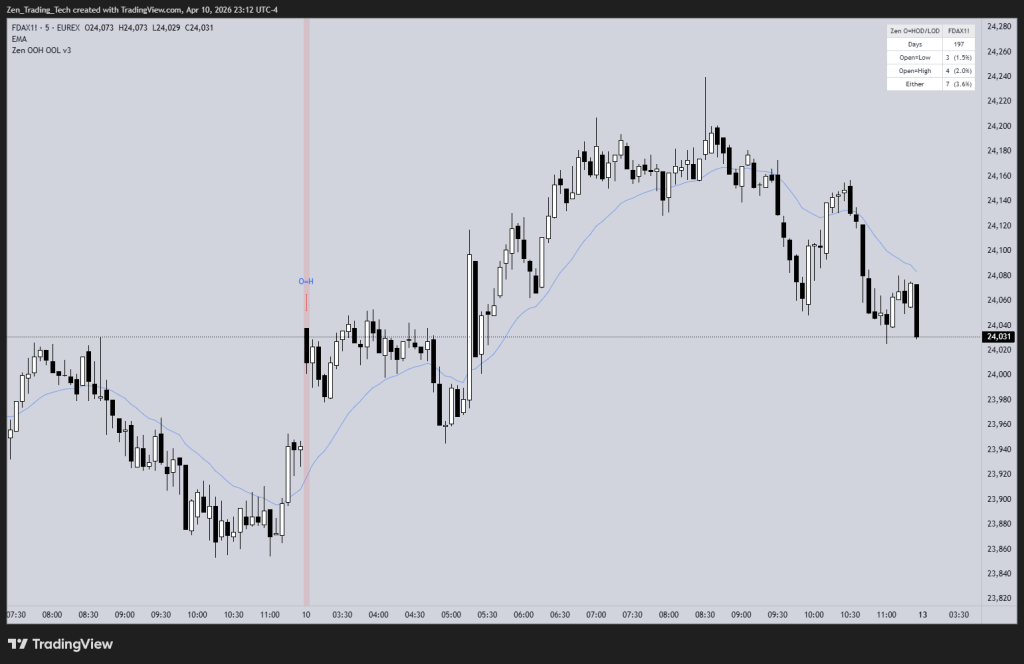
I’ve included a trading calculation puzzle below — based on a real price action chart.
No indicators. Just you and the bars. Click through.
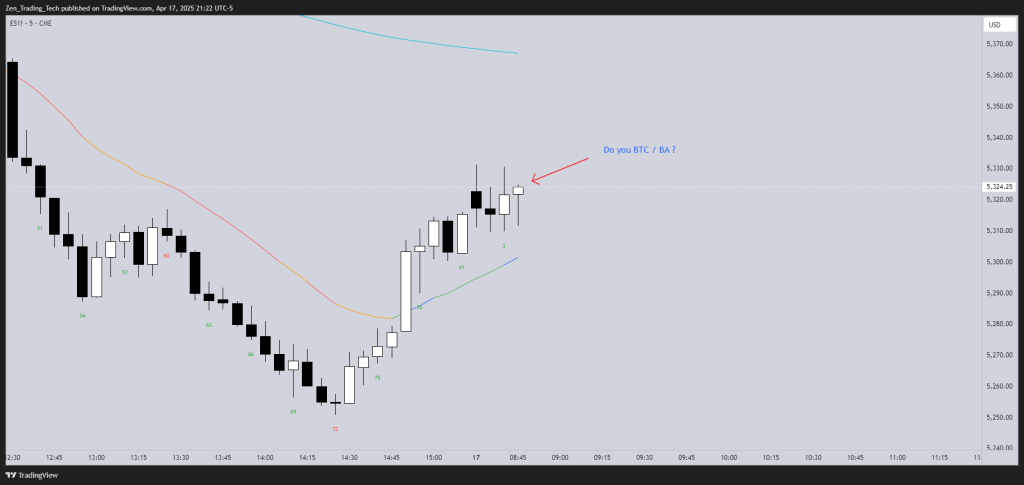
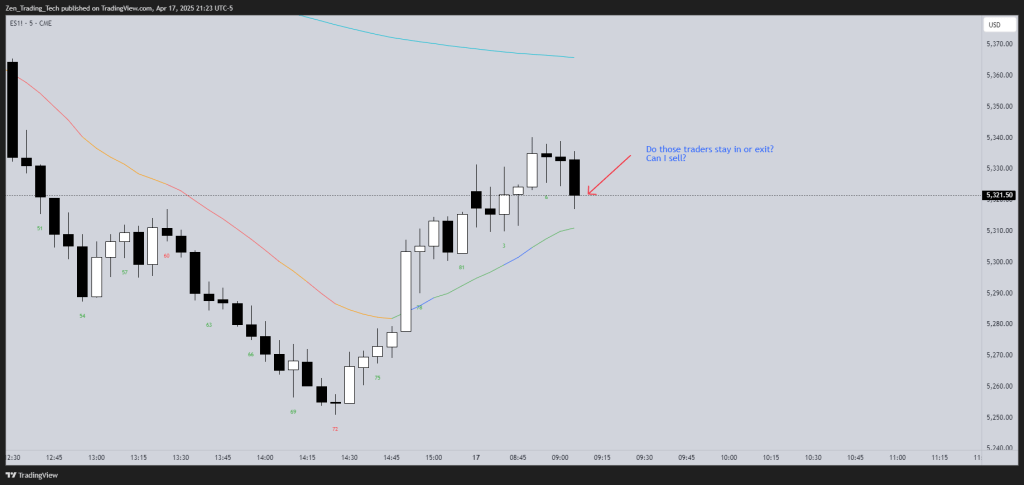
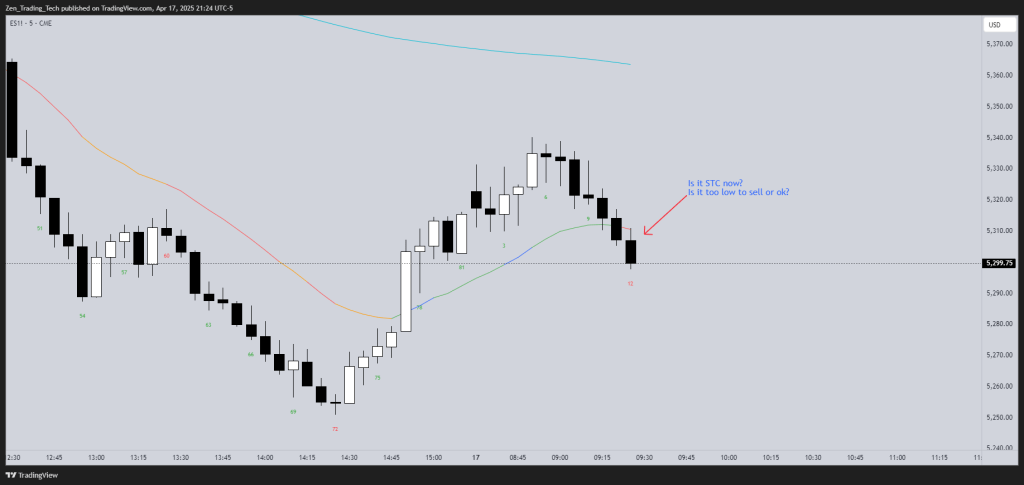
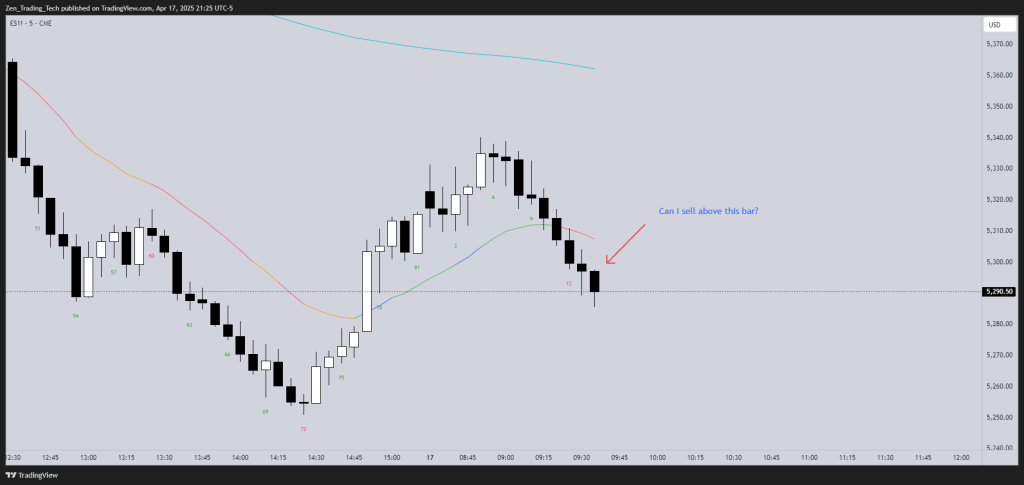
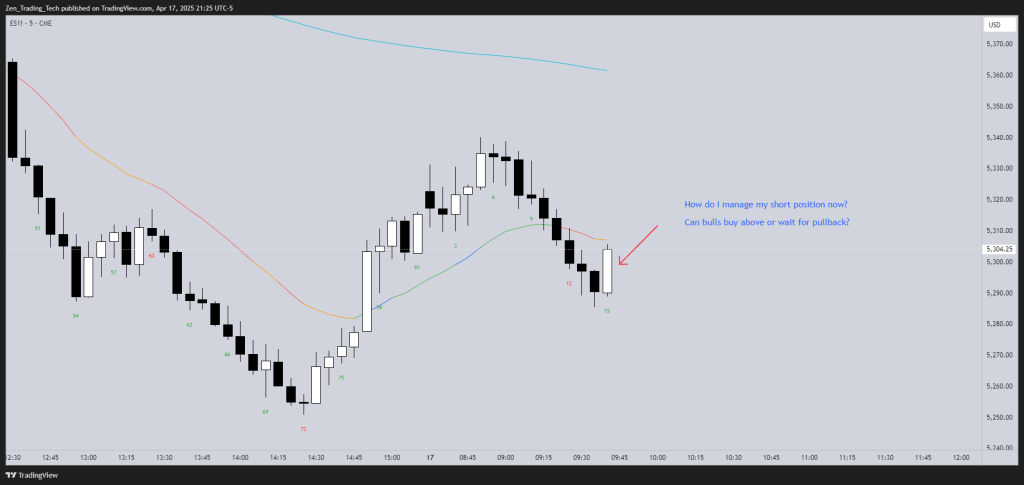
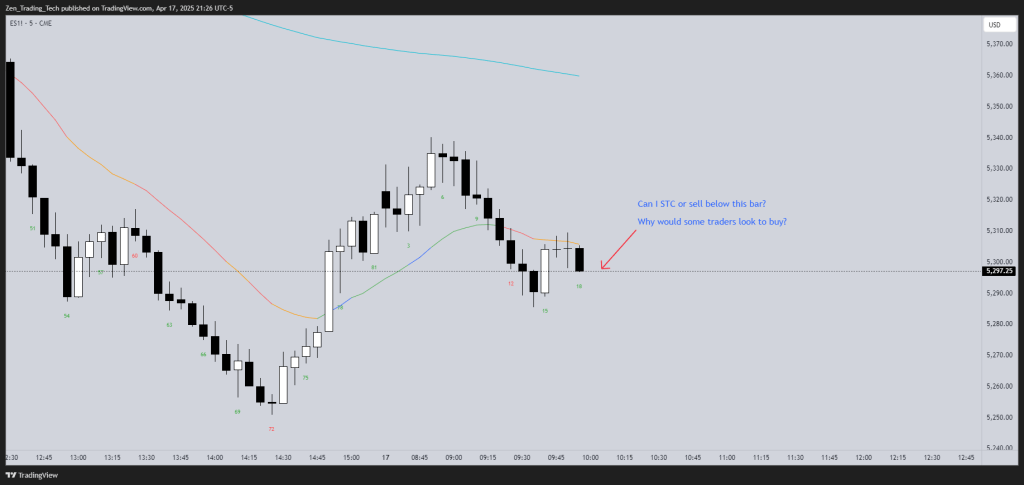
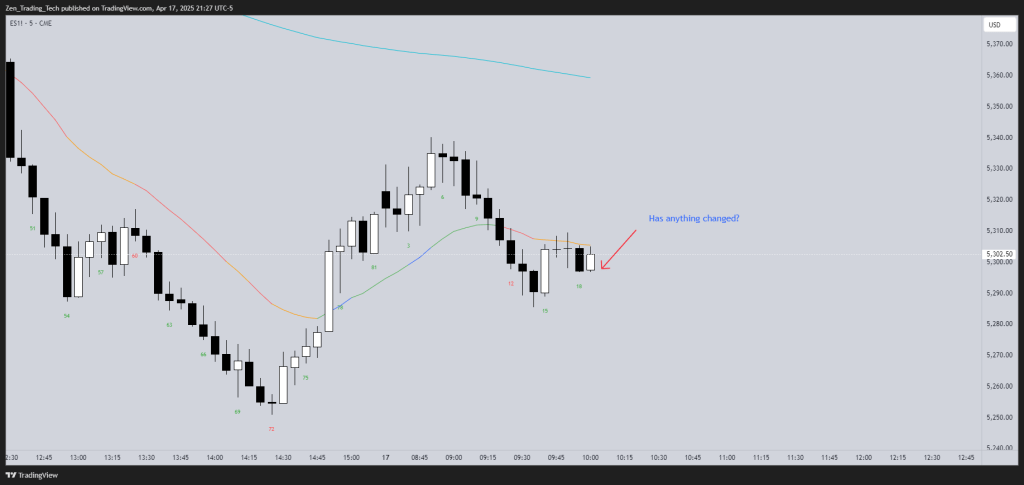
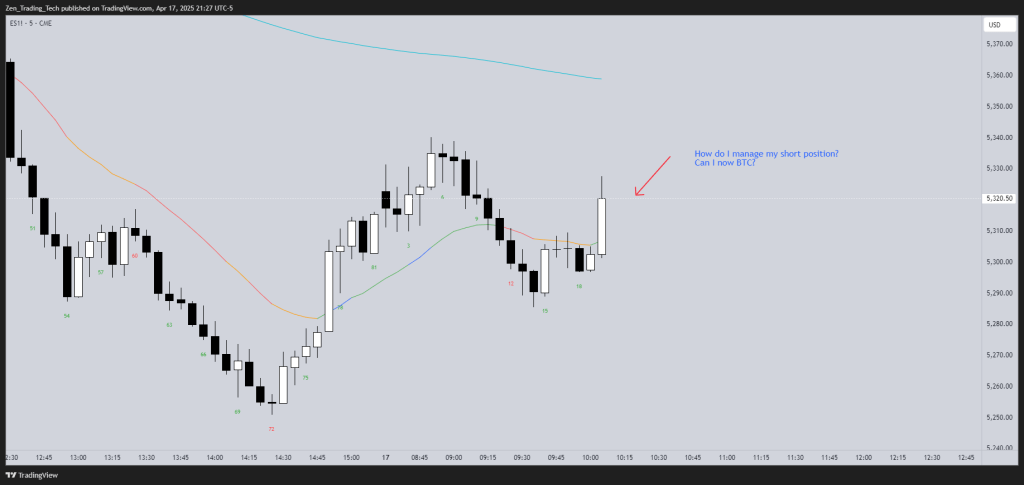
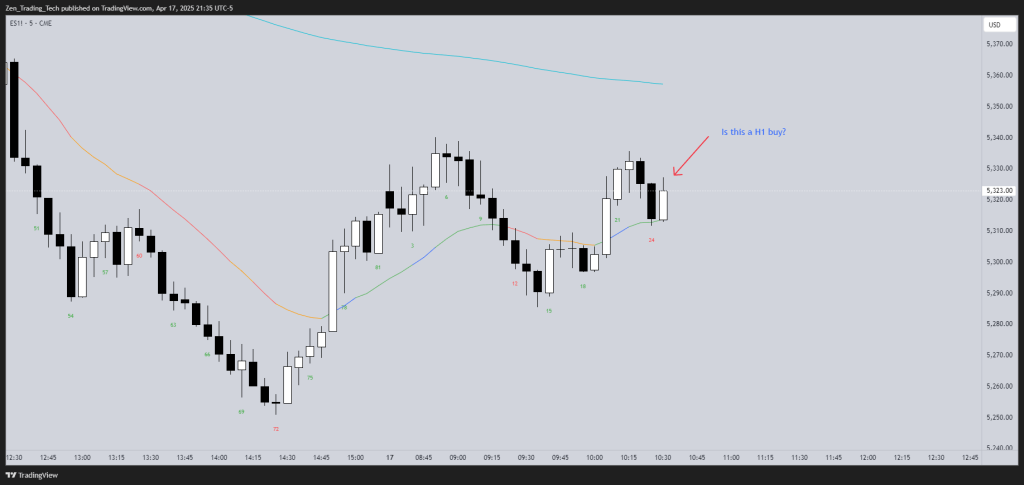
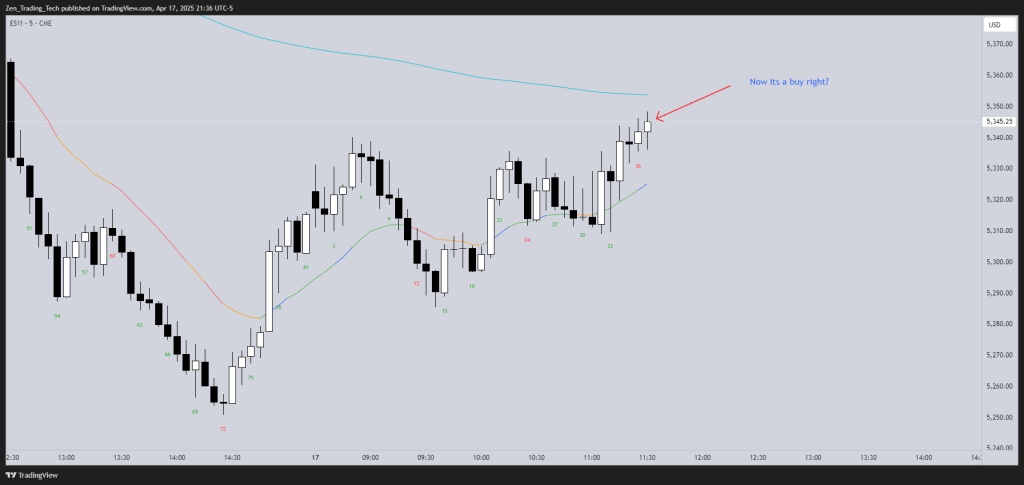
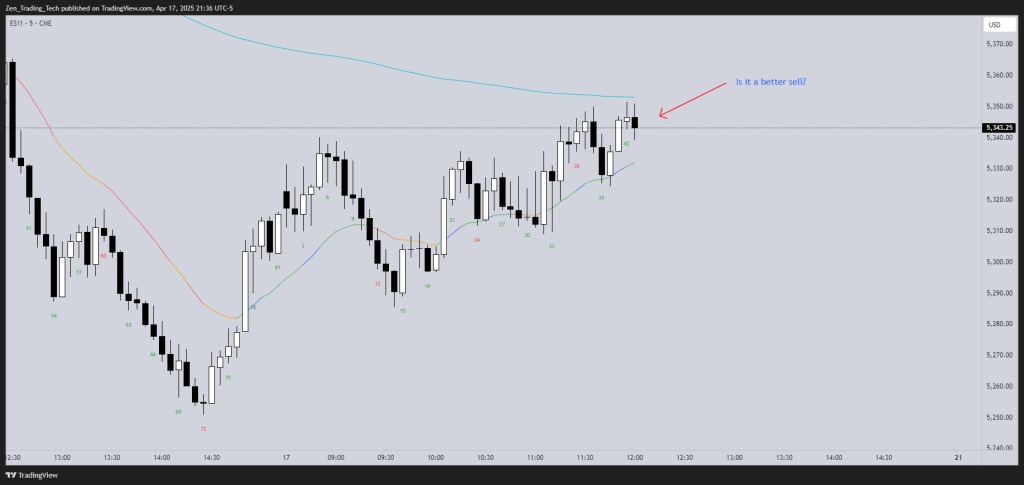
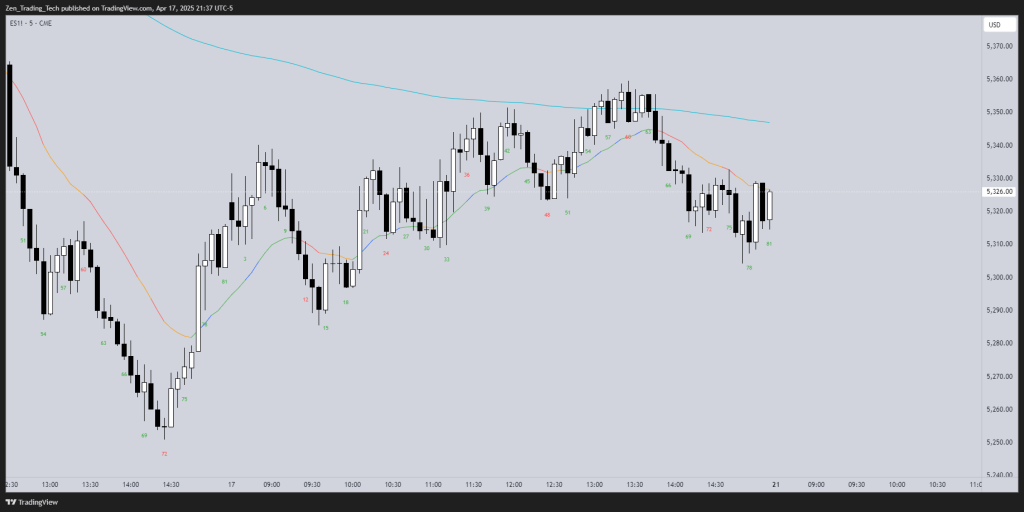
How to approach it:
- Pause the chart.
- List every reasonable move the market could make.
- Forecast what you’d do in each case — long, short, or flat?
- Check your logic, not your emotions.
Once you’ve tried it, comment below. I’ll send you a link to the solution.
Conclusion
The grandmaster doesn’t think faster because he’s smarter. He thinks faster because he’s done the reps. Thousands of puzzles. Thousands of games. He’s seen it ten thousand times.
Trading is no different. The trader who instantly reads a failed breakout pullback (FBO) flipping into a reversal — who sees the trap before it springs — didn’t get there by watching a few videos. They got there through deliberate practice.
So train both muscles. Use flashcards and rapid-fire drills for pattern recognition. Use replay and if-then journaling for deep calculation. Over time, you’ll find that the calculation becomes the pattern — just like the grandmaster.
There is no magic. Just reps.
Happy trading!
Tim
Zen Trading Tech



 Zen Trading Tech
Leave a reply to ericzoerner Cancel reply