
Summary
📈⛩️🗡️ In the Trade Like a Samurai series, the focus is on Kihon (基本) — the martial fundamentals that forge every trader’s skill.
For the samurai, Kihon was not separate from combat skill ⚔️; Practised every day the Samurai became the skill.
🔍 In this first scroll, I demonstrate deliberate practice drills for recognising trending versus trading-range environments.
The first practice drill is SWING POINTS — the foundation of reading the market’s heartbeat.
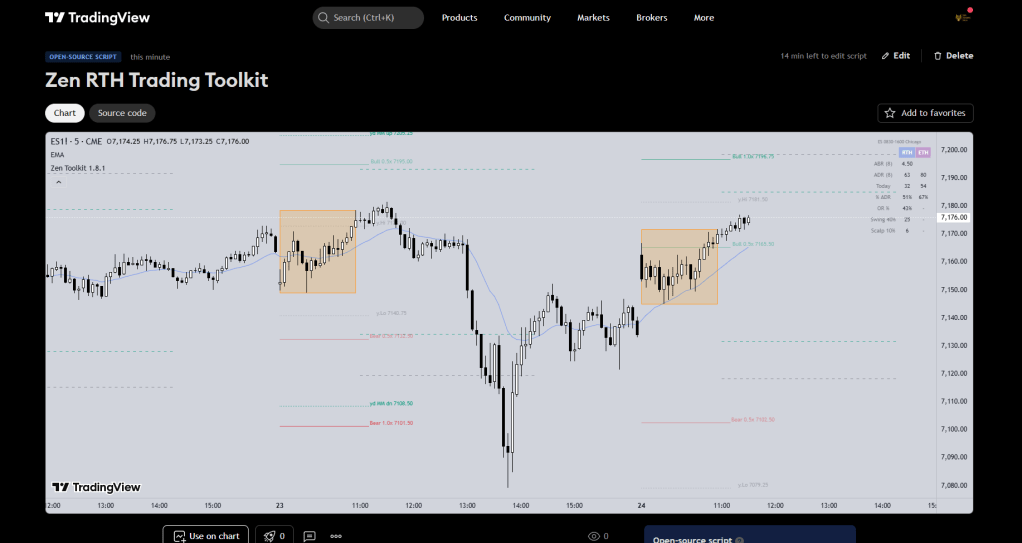
This lesson walks through three complete ES chart examples, showing precisely how to identify when a bull or bear trend begins, when it ends, and how to read each swing point bar by bar — the first cut in your training.
Introduction
Trading involves tremendous discipline. And when I think of discipline I think of a Samurai warrior.
Also Samurai’s are cool. So are ninjas.
And by having a cool Samurai theme, I feel like more traders will practice. And that’s even cooler!
So how can we approach our practice like the masters of discipline would?
A samurai does not swing the sword to win a duel. He cuts to refine the cut itself.
Perfecting the Process
In our trading we can bring the same level of discipline. Each bar marked, each line drawn, each trade taken and reviewed, is a form of training.
Refining our trading process perfects the skill, not collecting points and dollars.
“The Way is in training.”
Master Swordsman, Miyamoto Musashi — from The Complete Book of Five Rings (Earth Book)
The Samurai would have called called it Kihon 基本. The fundamentals to build the skill. Practiced relentlessly at the start of every session.
Whether you are young or old, novice or master. Always start with the basics.
Modern Chinese martial arts would use 基本功 (jīběn gōng) — literally “basic skill” or “fundamental technique.”
What we Westerners call a ‘warm-up’ is way more important. My warm-up as a trader should involve basic skills – and we will start this series with the basics.
This first drill in the Trend vs Trading Range series is designed for traders studying the Brooks method.
It is not theory. It is repetition.
Instructions — Swing Points
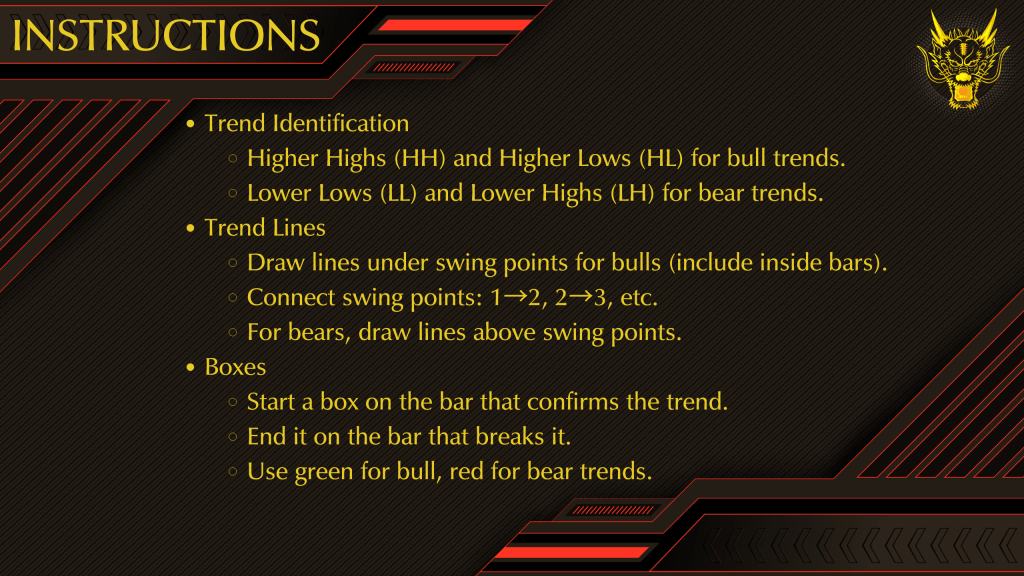
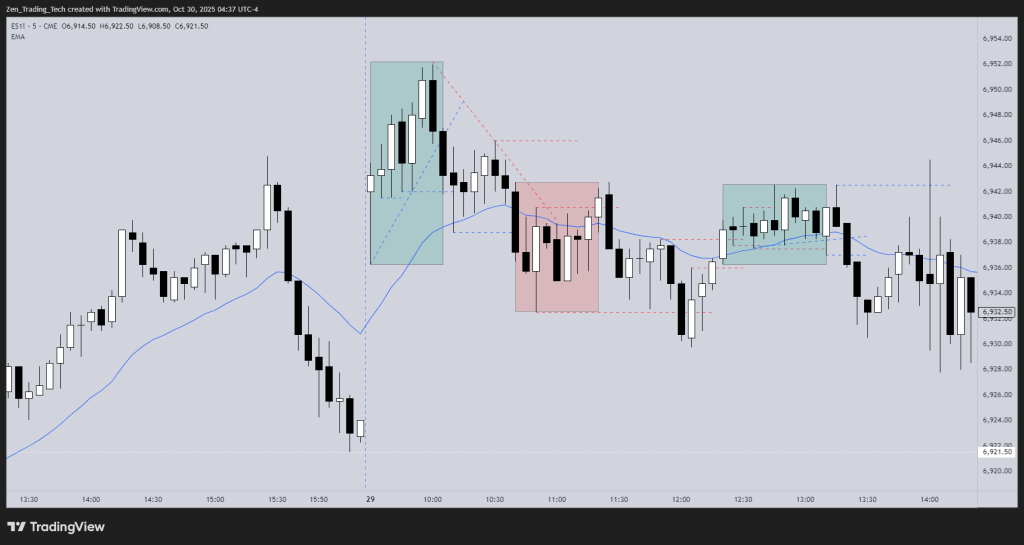
Example: 29th October 2025
- Higher lows and higher highs, lower lows and lower highs
- Trendlines and trendline breaks
- Bull channels and bear channels
https://www.tradingview.com/x/SztB8Rk6/
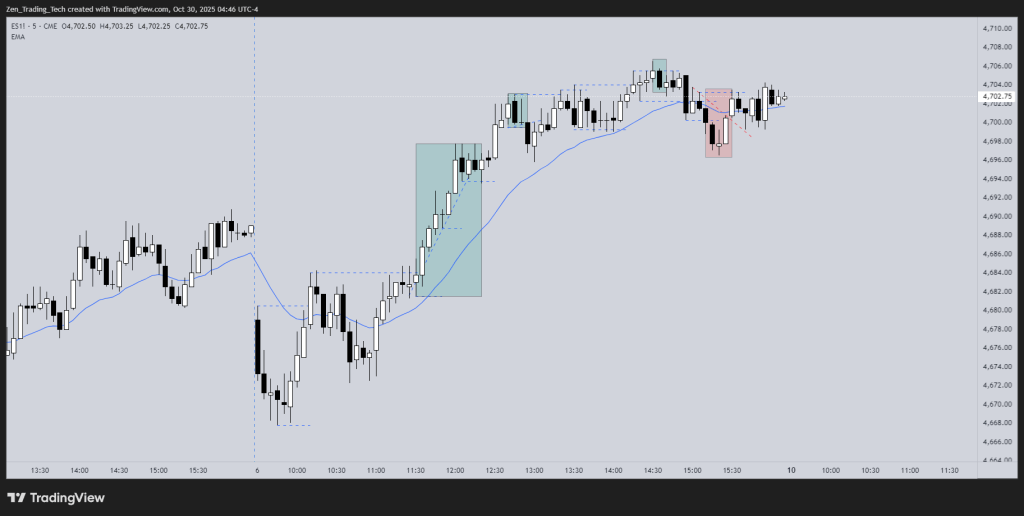
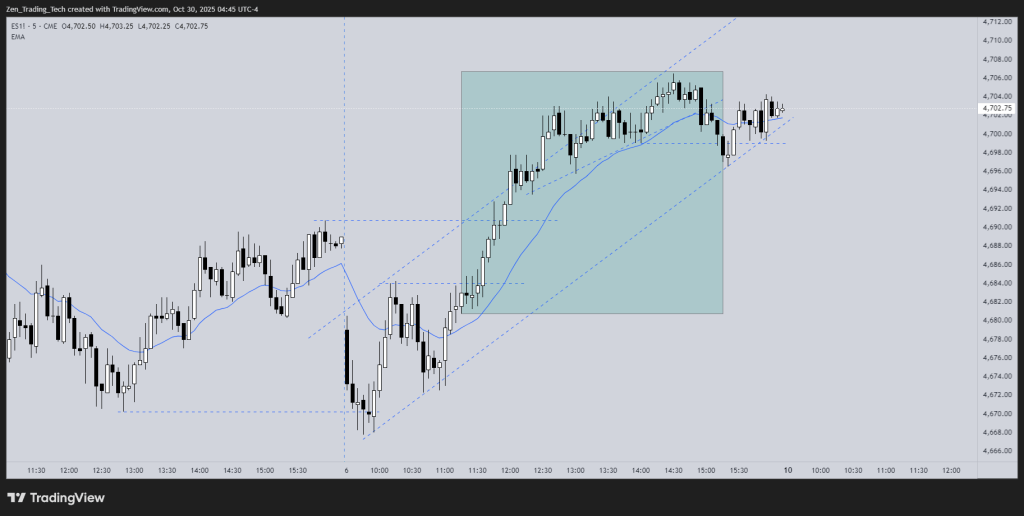
Example: 6th April 2023
- Trading range open so difficult to find a trend
- Opening range breakout and bull trend
- Difficult to find it on the 5 min chart so we introduce the higher time frame chart (15 min chart.)
- What if we went up a timeframe? ie 15m chart of the example above
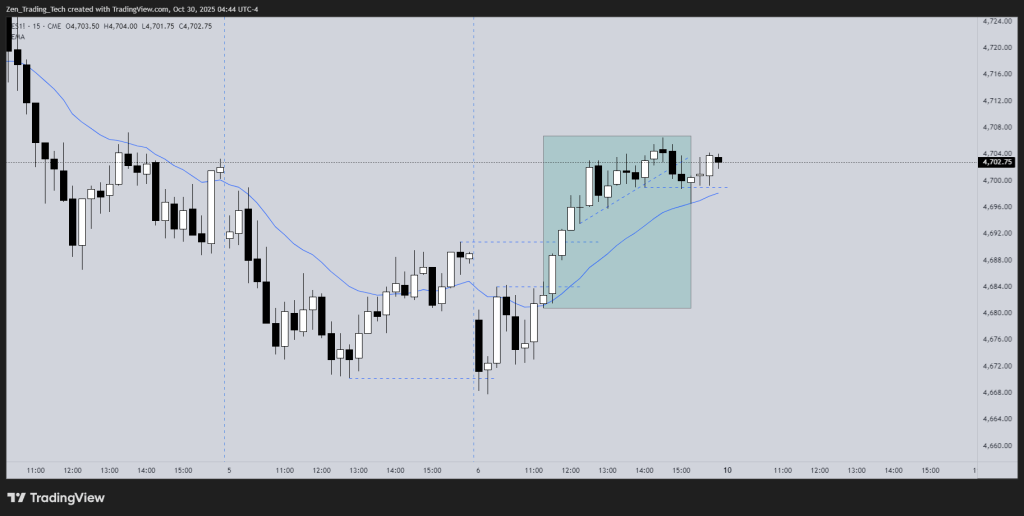
- Converted back to 5min
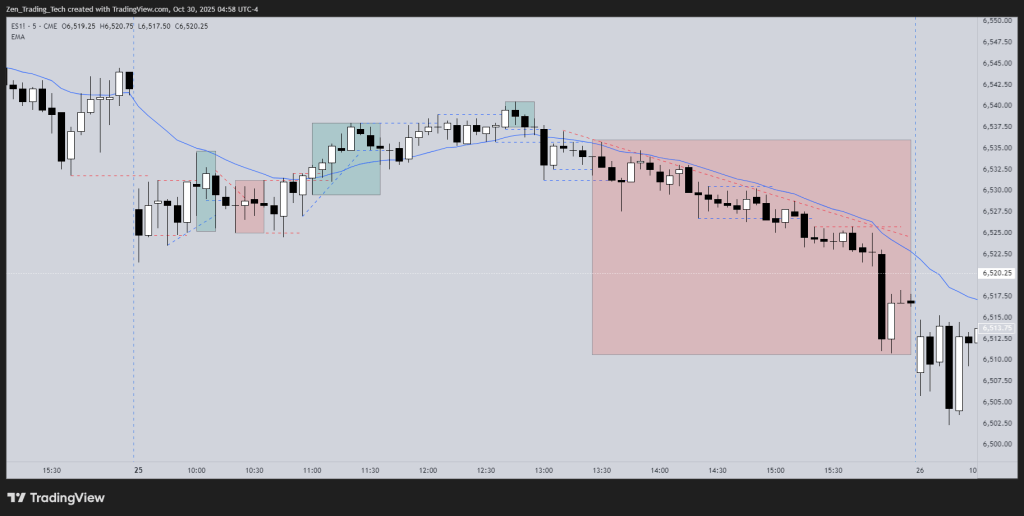
Example: 25th August, 2025
- Trading range open with a GAP DOWN and a bull trend – confusing!
- This process helped align your entries today
- Clear bear trend in the afternoon
Conclusion
Building these micro-practice skills at the start of every practice session will help you develop one-bar precision.
This is the Kihon we can practice each day to keep sharpening the sword – insert cool samurai phrase here 🙂
Having clear rules and practising them will enable you to draw on the exact precision you need to trade well live – not in hindsight.
Each drill is another stroke of the sword, I mean mouse. Yes its way cooler with sword. Also throwing star.
When this becomes natural, the fundamentals get stronger, and you can add flash on top of your game. Don’t be a trader with only flash.
Then as traders we stand like the samurai: calm, centred, ready to strike!
Thanks, Tim F
References
- Musashi, Miyamoto. The Complete Book of Five Rings. Edited and translated by Kenji Tokitsu. Boston: Shambhala Publications, 2010. ISBN 978-1-59030-797-3.



 Zen Trading Tech
Leave a reply to really69bc2cb9ee Cancel reply