-
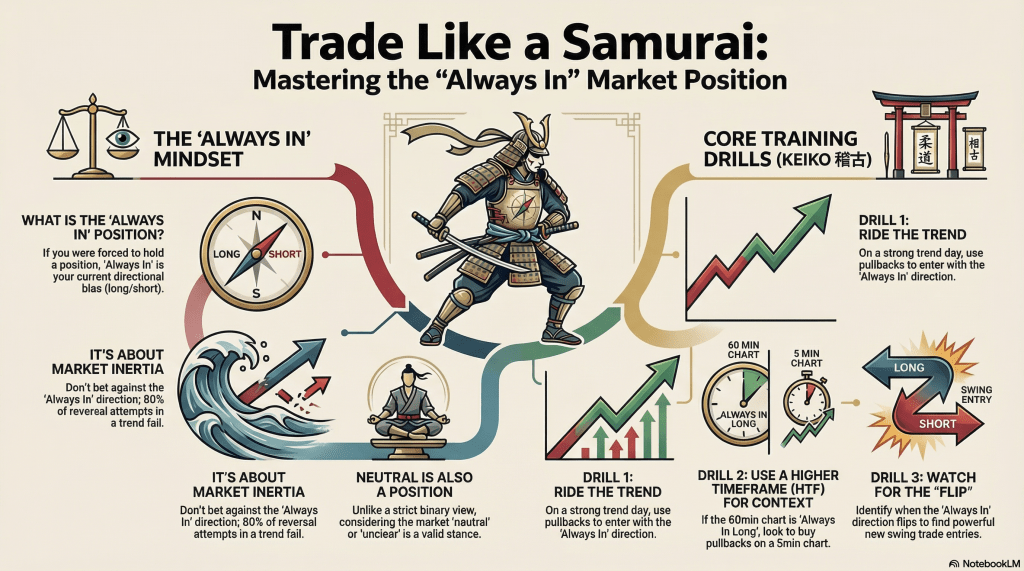 Continue reading →: 📈⛩️🗡️Trade Like a Samurai Scroll IV: Always In
Summary In this post we discuss the concept of ALWAYS IN trading and how you can use it to find entries in that direction I recommend a range of drills below. Set a timer for 20 minutes and go and find all the examples you can for the first drill.…
-
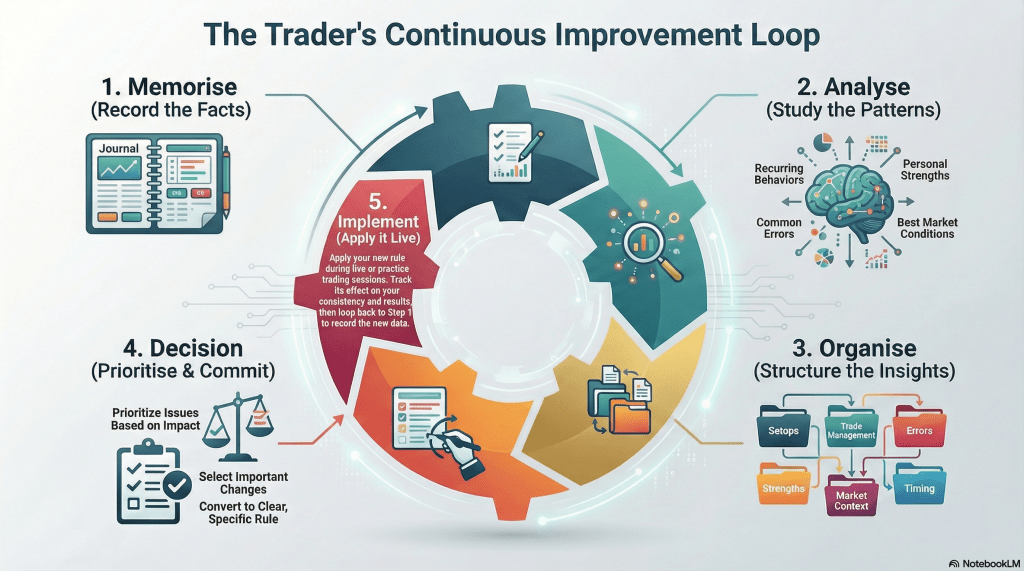 Continue reading →: Master Your Trading Edge: The Continuous Improvement Loop
For serious Price Action traders, true skill enhancement doesn’t happen by chance; it relies on a deliberate feedback loop. This structured process ensures correct thinking to improve your trading, where the output of each stage feeds into the next. Here is the essential five-step continuous improvement loop you must use…
-
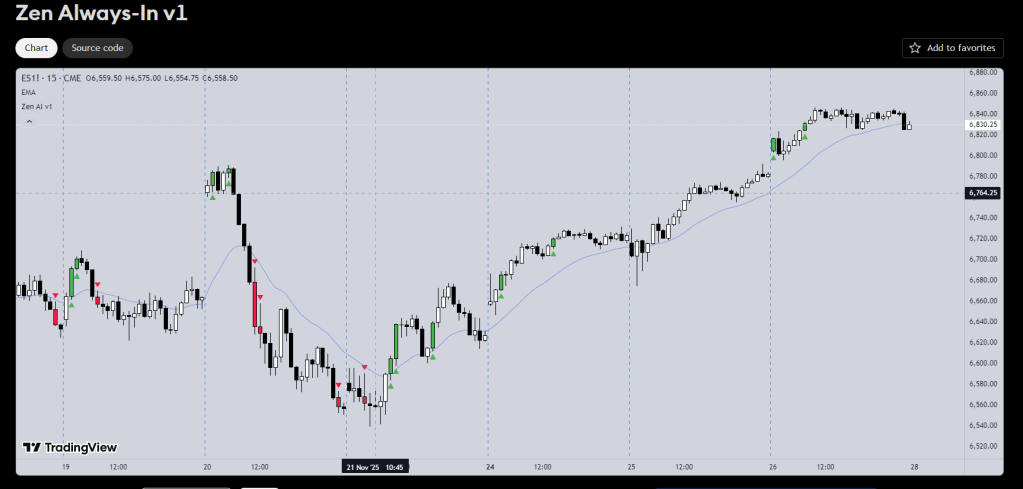 Continue reading →: Always-In Indicator for TradingView
The Always-In indicator highlights bars on your chart to help determine context. It looks for: consecutive bars on the right side of the MA, internal bar strength, and bar-range (size) It is based off the work from Dr Al Brooks in the Brooks Trading Course. Even if you don’t use…
-
 Continue reading →: Four Contradictions That Hold Traders Back
Every trader hits a point where effort and progress stop matching. The charts look the same. Study hours increase. Clarity doesn’t arrive. When that happens, the cause is usually internal, not technical. For me, it came down to contradictions in how I thought about trading. I hope the points below…
-
Continue reading →: Understanding Brokers and Platforms for DAX and Gold Trading
I got a few questions from Australian traders so I thought I would do more of a deep dive here. It also applies to traders everywhere in terms of a decision process. Introduction On the one hand, trading is very simple: click a mouse button and you are in a…
-
 Continue reading →: 📈⛩️🗡️ Trade Like a Samurai Scroll III: What Happens When Swing Points Break?
Summary In the past two posts we built a foundation around swing points in our price action trading. What to do when they break? In this next scroll we review possible trade setups and price action outcomes. Lets cut right in! Pre-Work 📜 See earlier scroll for Scroll I and…
-
 Continue reading →: 📈⛩️🗡️Trade Like a Samurai Scroll II: HTF Swing Points
Summary 📈⛩️🗡️ In the Trade Like a Samurai series, the focus is on Kihon (基本) — the martial fundamentals of trading discipline. For the samurai, Kihon was not separate from combat skill ⚔️; it was the edge of the blade itself. 🔍 In this Scroll II, I demonstrate deliberate-practice drills…
-
 Continue reading →: 📈⛩️🗡️Trade Like a Samurai Scroll I: Swing Points
Summary 📈⛩️🗡️ In the Trade Like a Samurai series, the focus is on Kihon (基本) — the martial fundamentals that forge every trader’s skill. For the samurai, Kihon was not separate from combat skill ⚔️; Practised every day the Samurai became the skill. 🔍 In this first scroll, I demonstrate…
-
 Continue reading →: Big Gap Up on the Weekly Chart
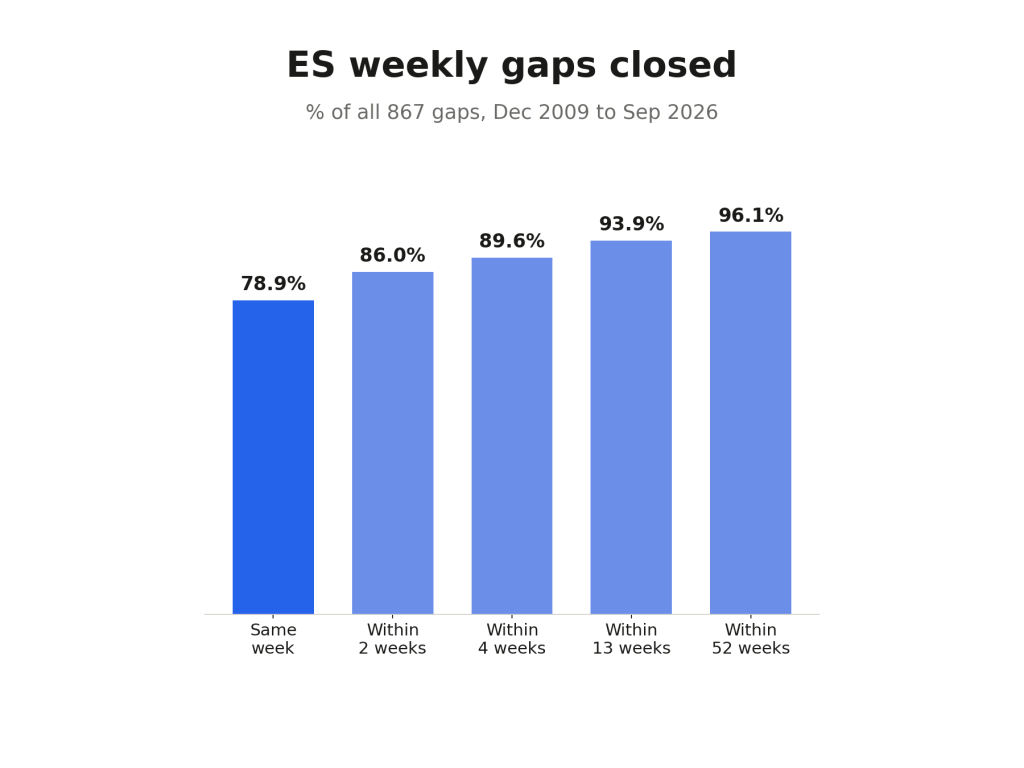
Premise Monday 27th October 2025 we gapped up 37% of the ABR on the weekly chart Open gaps on the weekly chart are rare (ie the close of the week is usually tested in that week) In fact it is closed more often in the next few days I could…
-
 Continue reading →: Streaks Above and Below the Moving Average: MA Research
Most traders use a moving average, but how many have studied the moving average itself and how to use it? I n the post below I explore some research ideas that have been useful in my trading and valuable for traders to explore. There is also an indicator below you…
-
 Continue reading →: Researching CME Settlement vs RTH Close (E-mini S&P 500 Futures) and its Effect on Swing Targets
Thanks to my friend and trader Tim Stout for the great chat we had in Orlando regarding ES – Bar 78 vs Bar 81. (CME vs RTH Close.) It was never a focus of my research before, having worked on Bar 81 only. So a big thank you for that…
-
 Continue reading →: Big ES Days – What follows?
Friday was a BIG day! 3.3 times the average bar range of the last 8 bars Statistically what should come next? 14 Days with average bar range above 2, 12 days 2nd leg in that direction – 85% hit rate, 2 days failed. So I’ve taken a short position this…
-
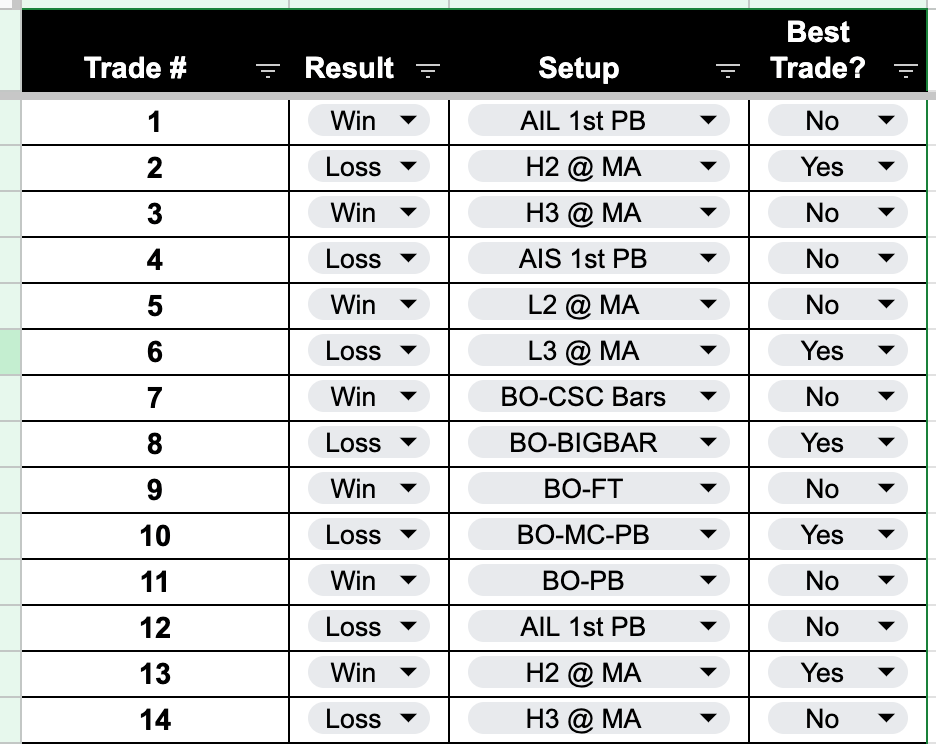 Continue reading →: Brooks Price Action Seminar – Workbook
Please find a workbook for today’s presentation: View Online (Click Save a Copy) https://docs.google.com/spreadsheets/d/1hChlLnojPUxGNYSVdwrOmIy_47q7_qAZAfexH0hwhuU/edit?usp=sharing Download .xls https://docs.google.com/spreadsheets/d/e/2PACX-1vQp5Q2NfQ8Zi5DfUbLuxrc0pp2hqbZLodJSFGvvLzGmj3-8Dn-O13eS3Rj1dvm0QWrxQufESLd0v3ah/pub?output=xlsx
-
 Continue reading →: 7 Common Trade Mistakes and How to Fix Them
Every trader makes mistakes. The difference between an edge which survives the market and one that doesn’t is not the absence of errors, but being aware of where they show up. All of the below have haunted me from time to time. Being aware of them already improves my edge.…
-
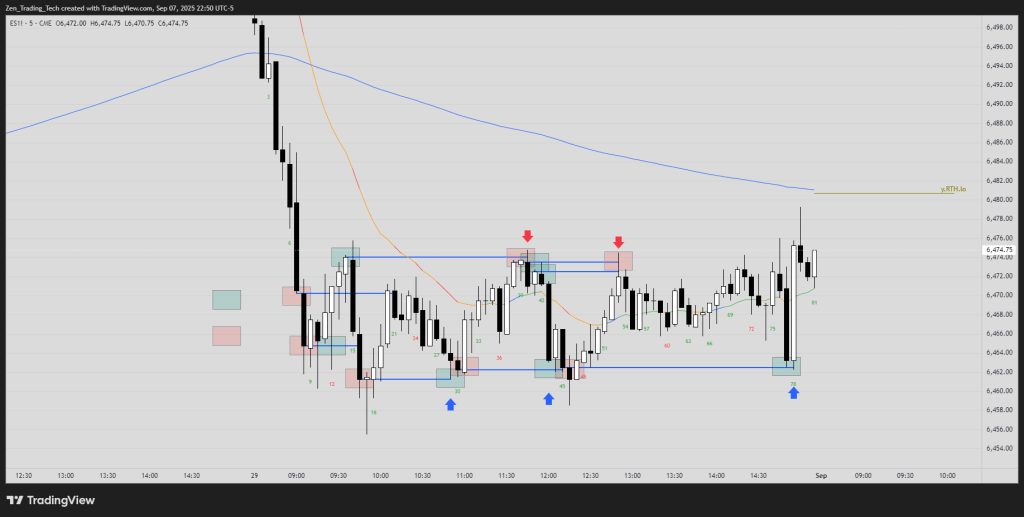 Continue reading →: Practice Drills for Trading Ranges: Relief Bars, S/R and Gaps
Most of the time, when traders look at bars, the question is: “Is this a signal to get in?”But there’s another way to use them. A relief bar is not a signal to enter — it’s a signal to exit. Instead of thinking “BTC/STC” (buy the close / sell the…
-
Continue reading →: ES Trading Stats for Day Traders: Bookmark This!
These are useful stats for day traders (Both scalp and swing traders.) I built a database of charts for the past 5+ years of ES RTH 5 minute data as part of a broader research project. But I have found they work on the other index futures instruments I trade.…
-
 Continue reading →: Orlando Workshop: Back to Basics – Docs & Replay
Thanks to everyone who joined the live stream this weekend: Orlando Workshop – Back to Basics + Price Action Coaching Introduction. If you missed it, here’s the replay: (Video loaded to where I start.) During the session, I walked through a couple of documents that are worth revisiting. Below are…
-
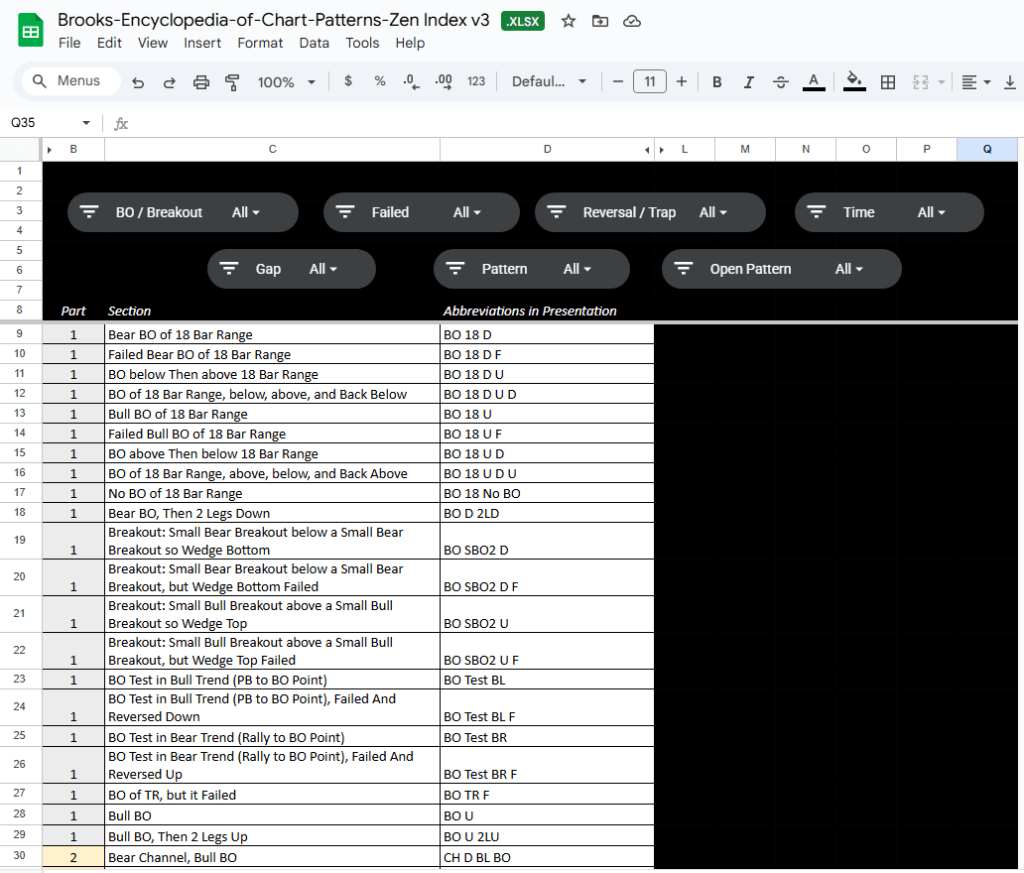 Continue reading →: The Brooks Encyclopedia of Chart Patterns — Now Searchable with Updated Index v3
One of the most requested resources from traders in our community has finally been cleaned up and indexed. If you’ve ever tried to go through Al Brooks’ full Encyclopedia of Price Action, you know how overwhelming it can be — over 7,000 slides across 600+ sections. If you don’t have…
-
 Continue reading →: Can We Breathe Our Way to Better Trading? 6 Methods For You to Try
Slightly different kind of post but no less valuable for you, I believe! Over the years, I’ve used seven distinct breathing methods to train my body, sharpen focus, and reset my nervous system. Each one has a clear purpose and method, and I use them in different parts of training—before,…
-
 Continue reading →: Consecutive Bars Research
Intro Research consecutive bars (CSC) for spike trades, second legs and swings Free indicator for TradingView Free strategy for TradingView Some interesting summary results! Indicator Strategy Link here: https://www.tradingview.com/script/WEXwahbE-Zen-CSC-Bar-Strategy-v2/ 5 Consecutive bars, 5min RTH, ES For the 4 kinds of reward (0.5R, 1R, 1.5R, 2R) Only 1 trade allowed at…
-
 Continue reading →: How to Research Bar Range Dynamics Using an Indicator
When you’re trading intraday, not all bars are created equal. Some are narrow and quiet — a sign of hesitation. Others are wide and explosive — often signalling strong conviction or emotional capitulation. Being able to classify and study these different kinds of bars can give you a deeper understanding…
-
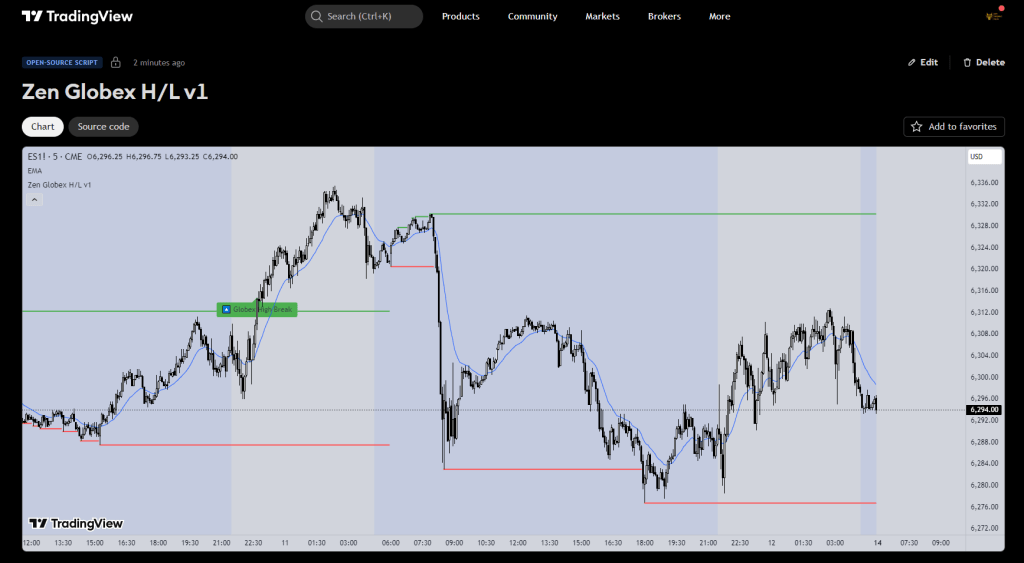 Continue reading →: 🕓 Globex H/L Breaks: A Simple Tool for RTH Session Awareness
If you’re day trading the ES futures or similar products, understanding the relationship between the Globex (overnight) session and the Regular Trading Hours (RTH) session is critical. The Zen Globex H/L v1 indicator is a simple research tool that tracks the Globex High, Low, and Open—and shows you when the…
-
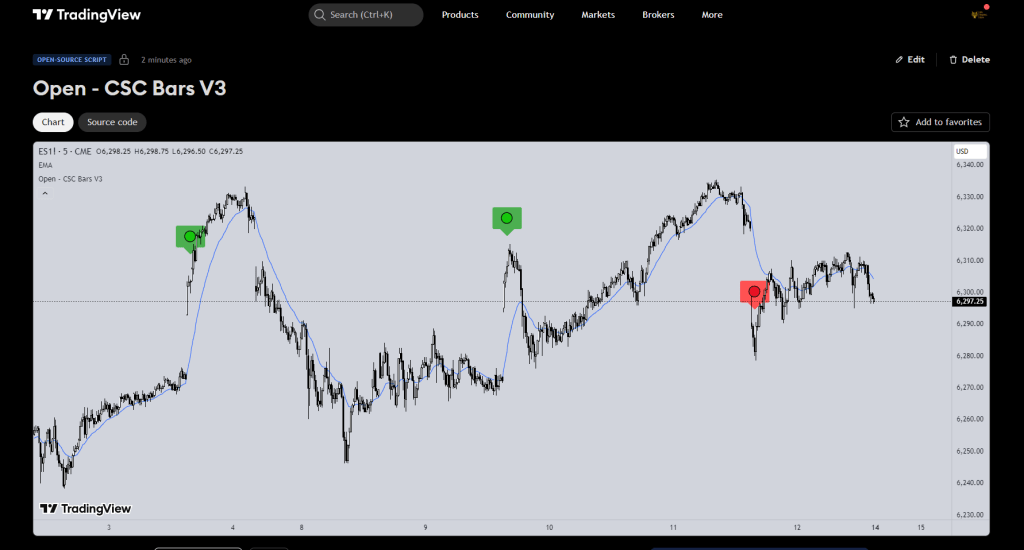 Continue reading →: 🔍 Researching the RTH Open: Consecutive Bull/Bear Bars
The open of the Regular Trading Hours (RTH) session is one of the most volatile, emotional, and misleading parts of the trading day. Many traders are drawn to spikes that form in the first few minutes—only to get caught fading strength or chasing weakness. Statistically, a large percentage of opening…
-
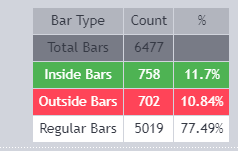 Continue reading →: 📊 Inside/Outside Bars — What They Really Tell Us About Daily Breakouts
Most traders know what an inside bar is. Most traders know what an outside bar is. But very few traders actually study how often these patterns show up—and what that might mean for their intraday strategy. I wanted real numbers. So I wrote a simple tool to count them. Here’s…
-
 Continue reading →: 🔍 A Simple Visual Tool for Spotting Spikes, Second Legs — and Now, Counter-Trend Reversals!
**Excerpt:** A clean visual tool for spotting momentum bursts, second legs, and now — potential counter-trend reversals. The latest update to the Zen 3CSC script adds an EMA-based filter to isolate exhaustion moves and failed breakouts, making it easier to study price behavior around key turning points. Ideal for traders…
-
 Continue reading →: 18-Bar Range: A Simple Tool for Traders Studying the Open of the Day
Built for traders using the Al Brooks Method Updated Aug 2025: v5 Available This free TradingView indicator helps you study how the first 18 bars of the regular trading hours (RTH) session affect the rest of the day. It’s designed to support the kind of market reading taught in the…
-
 Continue reading →: Trading Range Day – Interesting Practice Drills
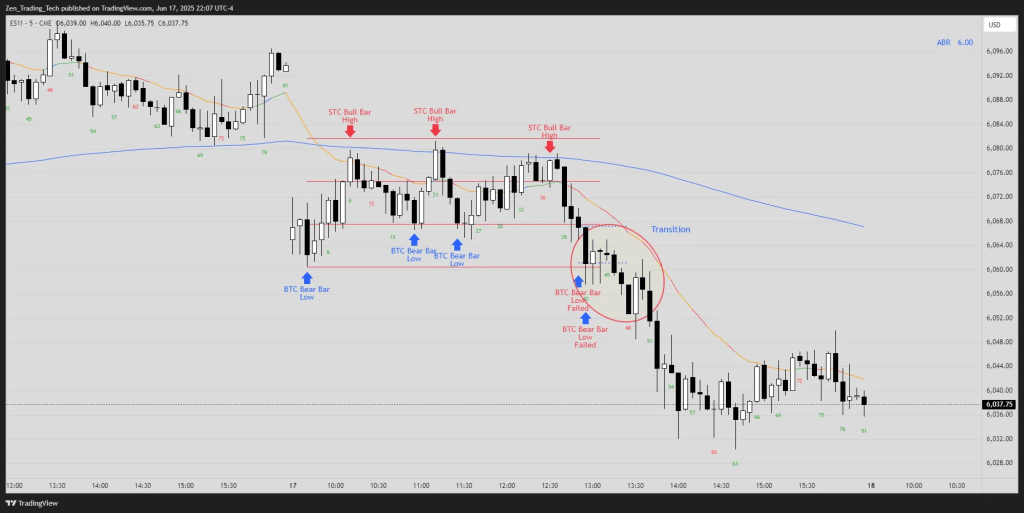
On ES, 16th June, 2025 there was a number of great setups – I missed some, I got some, some worked, some didn’t. But you can take those and practice them for next time H1 Failed – L1 Failed H1 and L1 work in trends and fail in trading ranges…
-
 Continue reading →: From Idea to Edge: One Trader’s Process for Setup Research
Introduction I often get asked how I research different setups. I’ve never actually written out my process before—this is my first go. What I’ve shared below is just one way I approach it. It’s not the only way, but it’s helped me turn ideas into something more concrete. I’m not…
-
 Continue reading →: Trading in Trading Ranges: 1/2R -> 1R
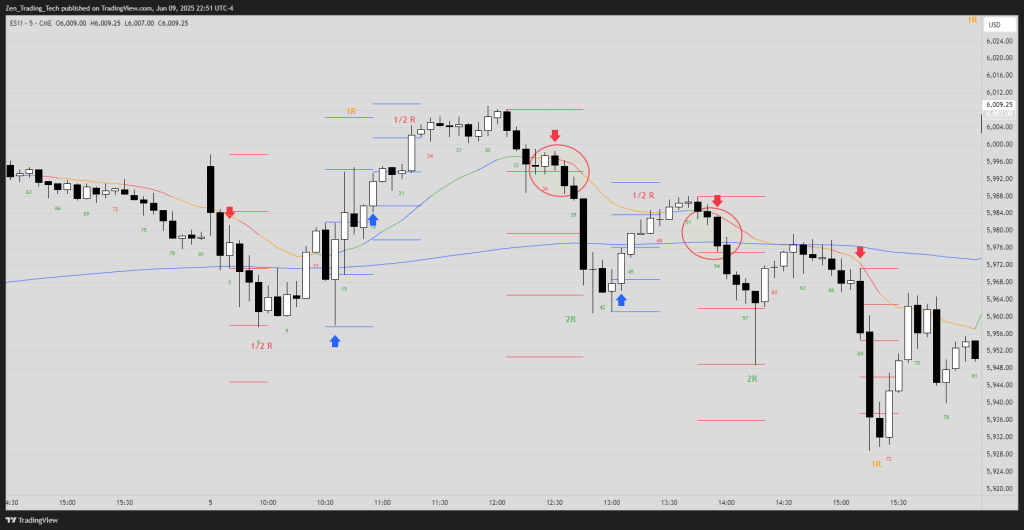
Introduction This is not a full system—just a look at a key behaviour that shows up often in trading ranges. I think it will help no to get frustrated and get back IN SYNC with what institutions are doing. Main Idea In trading ranges, traders don’t expect swing trades. You’re…
-
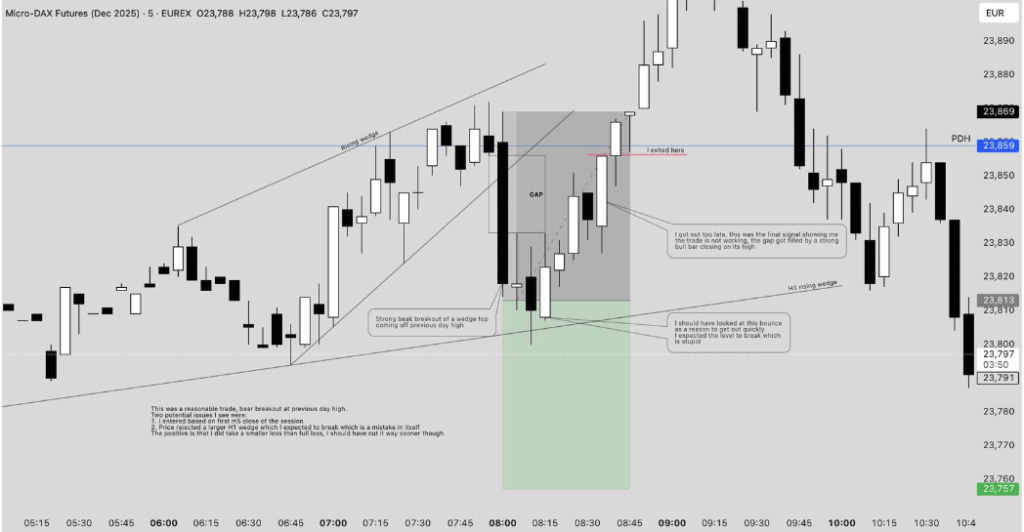
 Continue reading →: 🧠 Study Trade Failures: Obsess Over Exits
Most traders focus on where to get in. Few study where a setup breaks. This post walks through a wedge example and shows why knowing what shouldn’t happen is just as important as knowing what should. The real edge? Spotting failure early and cutting with precision.
Hi,
I’m Tim

Welcome to Zen Trading Tech.
I’m a Aussie day trader and I post trading tips, practice drills, and indicators that helped my trading get to a professional level.
Everything here is to help train the eyes and hands to trade better. If it helped me I’ll post it for others. Hope you enjoy!
Join the fun!
Stay updated with our latest tutorials and ideas by joining our newsletter.